

Introduction
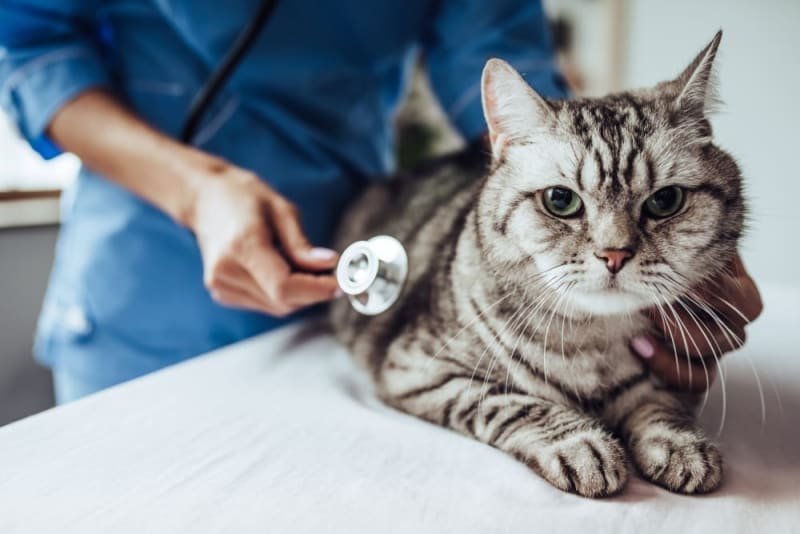
We all love our feline friends, don’t we? Their adorable moods, mischievous antics, and those melodramatic cat-eyes are simply irresistible. But as sweet as they are, it’s a universal truth that most cats are not fans of vet visits. Who can blame them? The strange smells, the cold examination tables and the unfamiliar faces can be quite disconcerting for our furry pals. Anyone who has tried corralling a cat into a carrier knows that it can test every iota of patience you possess.
And, what if we said that their perception of the vet doesn’t have to be all doom and gloom? This blog post will highlight five ways to reduce your cat’s stress at the vet’s office. And no, we’re not talking about bringing catnip-laced sedatives (although, that doesn’t sound like a bad idea!) But we’re drifting. So, have you ever wished your cat was as excited about the vet as you are when you spot a buy-one-get-one-free offer on their favorite cat food? Let’s dive in and help reshape that veterinarian perception!
Main Body
Section 1: The Core Concept -Understanding Cat Stress
Understanding the root cause of your cat’s stress around vet visits can be the first step in solving the problem. Cats are creatures of habit who love their comfort zones. An unexpected trip to the vet disrupts their comfort, which can induce stress and anxiety. Recognizing the signs of stress in cats, like urinating outside the litter box, excessive grooming, or a decrease in appetite, plays a significant role in managing the situation.
Section 2: Practical Tips to Reduce Vet-Induced Stress
Here are five manageable steps you can take to make your cat’s visit to the vet a more enjoyable experience:
1. Routine Carrier Training: Avoid bringing out the carrier only during vet visits. Make it a part of their environment so they get accustomed to its presence.
2. Familiarization Trips: Plan regular, non-medical trips to the vet where your cat can explore the clinic without any uncomfortable procedures, making future visits less stressful.
3. Use Calming Pheromones: Use pheromone sprays on carriers and blankets to help soothe your cat’s anxiety.
4. Find a Cat-Friendly Clinic: Look for clinics that follow cat-friendly practices such as separate waiting spaces for cats and dogs.
5. Positive Reinforcement: Reward your cat with treats and affection after a vet visit to build positive associations.
Section 3: Common Myths and Missteps
The most common misconception is that cats don’t need regular vet check-ups. Cats are known to hide signs of illness well, making routine checkups crucial for catching potential health issues early. Plus, missing vet visits can reinforce the trigger of stress since the vet is associated only with sickness, not wellness.
Section 4: Case Study – Managing Margot’s Stress
To shine a light on the strategies in action, here’s a living example. Margot, an orange tabby, would always end up under the bed, yowling in fright at the sight of her carrier. After integrating the carrier into her living space and using pheromone sprays, Margot now comfortably snoozes in her carrier. After a few familiarization trips and well-deserved treats, trips to the vet are no longer the traumatic events they once were.
Conclusion
Reducing your cat’s stress at the vet involves understanding their fear, incorporating practical tips, dispelling misconceptions, and rewarding good behavior. Remember, happier vet visits mean healthier cats and, of course, fewer claw and teeth marks for you to fret about. So why wait? Start reshaping your cat’s perception of the vet today. And remember, a little patience, understanding, and lots of love can go a long way in making your cat’s vet visits a stress-free experience. Happy cat-parenting!
SEO Considerations
For more tips on cat wellness, do check out our blog post on “cat behavior tips.” You can find more details about your cat’s dietary requirements on American Veterinary Medical Association’s official website.
