

Introduction
Remember the cute little kitten you brought home, who you promised to love, nourish, and protect? Fast forward a few years, and the little ball of fur has transformed into a well-fed feline. No shame in admitting that it took you a few extra minutes to get her unstuck from the flap door! Yes, let’s discuss a problem faced by many cat owners: managing and maintaining their cat’s weight. Just like us humans, our feline friends can also pudge out, but unlike us, they cannot hit the gym or start a diet. So, what can we do?
In this comprehensive post, we’ll delve into the secrets of managing your cat’s weight, offering top-notch tips that will ensure your four-legged friend stays healthy and disease-free. Intrigued? Curious about how to keep your cat’s weight in check for a better, healthier life? Buckle up, fellow cat lovers, let’s take this chubby cat journey together.
Main Body
Section 1: The Weighty Issue with Cats
Maintaining a healthy cat weight is more than just ensuring your cat looks adorable. Obesity in cats can lead to various health issues such as arthritis, diabetes, and an increased risk of developing some cancers. Research suggests that around 50% of cats in developed countries are overweight or obese, highlighting the severity of this issue. Understanding the importance of weight management for cats forms the foundation of a healthy life for your purry companion.
Section 2: The Action Plan for Weight Management
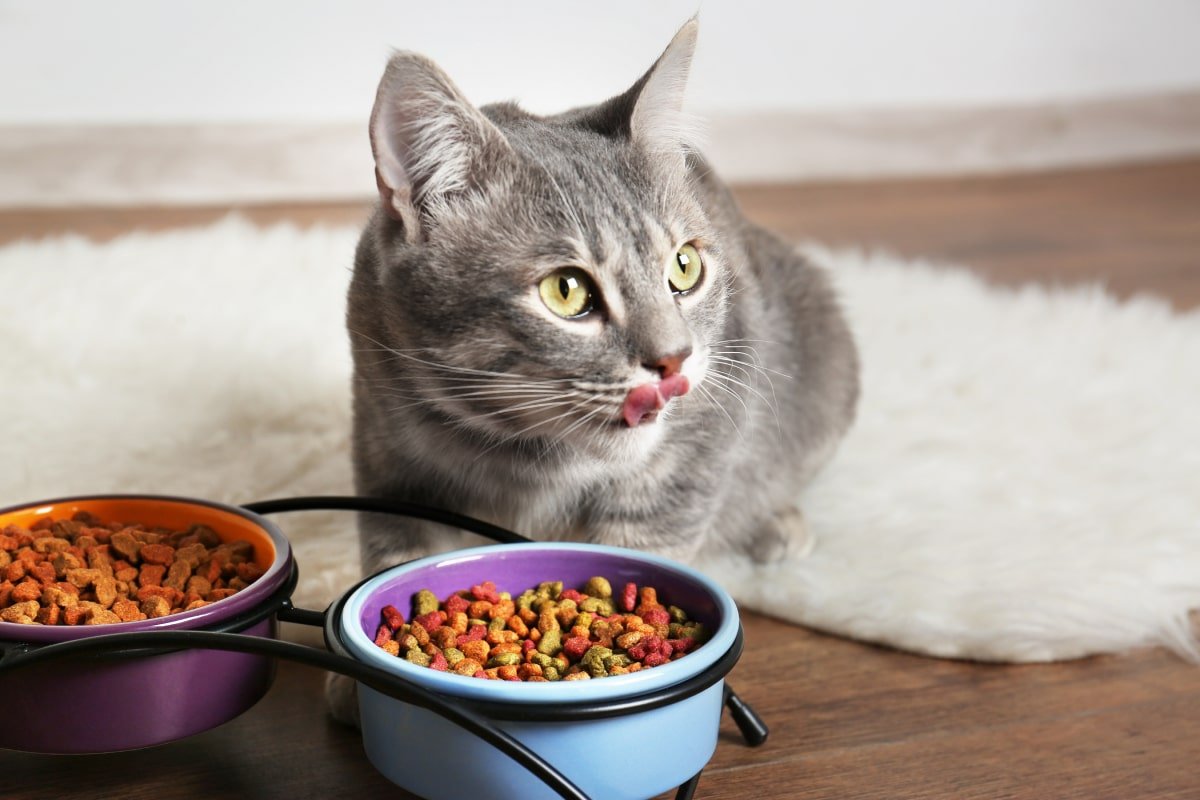
The first step in managing your cat’s weight is identifying if she is overweight. Cats typically have an hourglass shape when viewed from the top, if that’s not visible, it’s time to take action. Cut down on calorie-rich treats, provide portion-controlled meals, and make sure the food you offer is high in animal proteins and low in carbohydrates. Encourage regular play and physical activity. You could consider setting up a feeding station that requires a bit of a climb or use a food puzzle to stimulate both the mind and the body.
Section 3: Breaking the Myths
Common misconceptions exist around cat weight management. From “fat cats are healthy” to “weight loss can occur rapidly, like humans”, such myths need to be debunked. Losing weight rapidly can actually be harmful to cats, potentially leading to a disease called hepatic lipidosis. Thus, it’s important to plan a gradual, vet-supervised weight loss for obese cats. Another myth is around neutering causing weight gain. In reality, neutering does change the metabolism and feeding behavior of cats, but if their diet and exercise are managed properly, this shouldn’t lead to weight gain.
Section 4: Stories of Change
Let’s look at the case of Mr. Whiskers, a British shorthair. After his weight peaked at 18 pounds, his owner decided to take action. He consulted with a vet, began a portion-controlled diet rich in protein, and scheduled daily playtimes. After six months, Mr. Whiskers had lost 3 pounds and his owner reported positive changes in his energy levels and behavior.
Conclusion
Managing your cat’s weight is a crucial aspect of their health. Ensuring that they stay active, feed properly and debunking certain misconceptions can significantly improve the quality of your cat’s life. So take that step today, invest in your cat’s health like Mr. Whiskers’ owner, and say hello to a healthier, happier cat! Remember, a fit cat is not just about being Instagram-ready but also about boosting longevity and well-being.
And don’t forget to always consult a vet, as every cat is different and may require a tailored approach to weight loss. The journey of weight loss could be a slow one, but remember, the benefits are significantly rewarding! Here’s to healthier, happier kitty cats all around.
