

**Title: Stop Feline Frustration: How to Train Your Cat to Use a Litter Box**
**Introduction**
There’s no denying it, cats are incredibly self-sufficient creatures. They groom themselves, catch their food (given the opportunity), and often pick their favorite spot to nap without any instruction from us. Yet, when it comes to their litter box habits, the story seems to take a somewhat less independent, and in some cases, more aromatic turn. We’ve all been there—a new kitten or adopted cat, a fresh litter box, and crossed fingers in the hope that our feline companion will magically know what to do with it. Only to be met with a “gift” in the least expected corner of our house.
In this post, we’ll dive deep into the world of kitty litter etiquette, covering everything you need to know on how to train your cat to use a litter box. We’ll be examining why your cat might pass up their litter box and choose the corner of your brand new rug instead, and go on to discuss practical tips to prevent this from becoming a habit. So, the question stands, have you ever been left puzzled over why your cat chooses everywhere but the litter box?
**Main Body**
**Section 1: Understanding Cat Behavior and Litter Box Habits**
Cats, especially those accustomed to the outdoors, have natural instincts to bury their waste in order to mask their scent from potential predators. It is a survival skill that works to their advantage in the wild. But in a domestic setting, the challenge lies in redirecting this instinct towards the litter box. Understanding these behaviors and using them to our advantage can positively impact the success of litter box training.
**Section 2: Actionable Steps for Successful Litter Box Training**
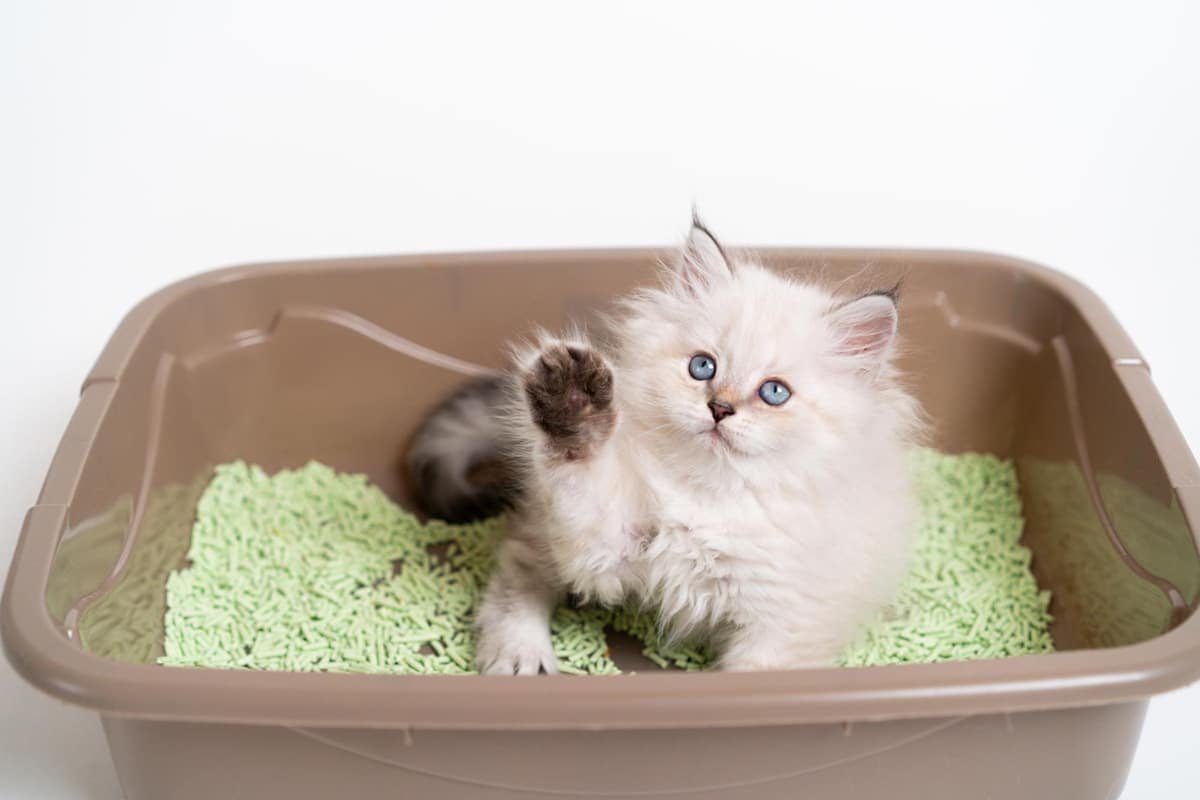
Training your feline to use the litter box involves a combination of patience, the right tools, and a bit of feline psychology. Start by choosing a quiet, accessible location for the litter box, somewhere your cat can have some privacy. Cats tend to dislike hooded litter boxes, so opt for an open one at first. Gradually increase the level of litter in the box, make sure to keep it clean, and try different types of litter until you find one that your cat likes. Many cats prefer finer textures, like clumping litter.
**Section 3: Debunking Common Misconceptions**
It’s a common myth that cats are just naturally choosy or spiteful, manifesting their displeasure by not using the litter box. However, the truth is, negative litter box behavior is frequently due to simple, solvable problems like a dirty box, or a box located in a high-traffic area. It’s also worth noting that cats don’t respond well to punishment, it might trigger stress and make the behavior worse.
**Section 4: Real-life Experiences and Expert Advice**
Veterinarian Dr. Sophia Yin suggests that using positive reinforcement is a very effective approach in litter box training. She recommends rewarding your cat with treats, praise, or petting every time they use the box, creating a positive association with the action. Several cat owners have experienced significant improvements in their pets’ litter box habits by following such advice diligently.
**Conclusion**
Helping your cat adapt to using their litter box can initially be a trial-and-error process, but armed with these insights, you should be well on your way to establishing a harmonious cohabitation situation. Remember to be patient and attentive, and before long, your favorite feline will be a litter box pro. Why wait any longer to alleviate your feline friend’s (and your) frustration? Start implementing these helpful litter box training tips today!
**SEO Considerations**
For a feline revelation on understanding your pet’s natural instincts and behaviors, take a look at our blog post on “cat behavior.” Also, if you’re concerned about your cat’s health and the holistic benefits of good litter box habits, you can visit this authoritative study on cat health.
