

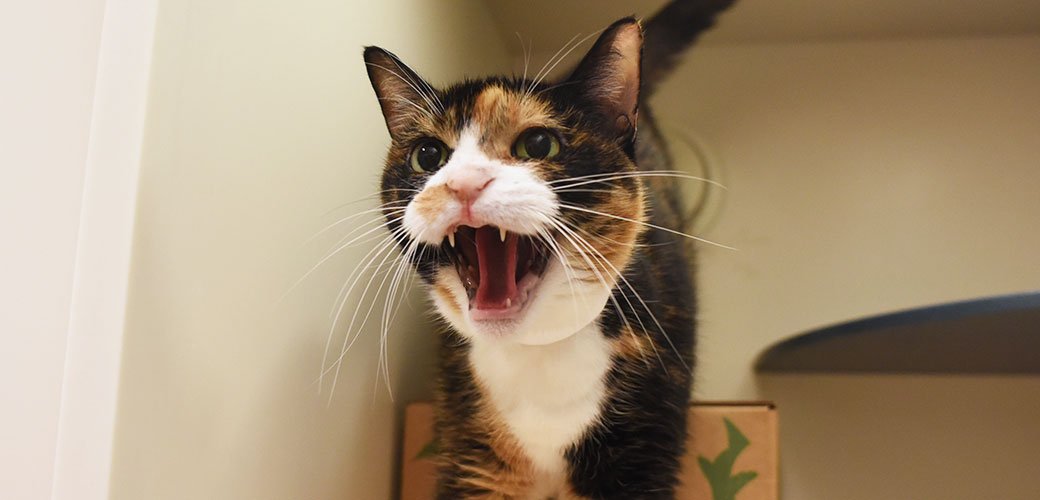
Cat Tales: How to Spot and Manage Cat Aggression
Picture this: You’re lounging on your couch, petting your feline friend who’s curled up beside you, purring blissfully. Suddenly, out of the blue, this moment of perfect tranquility is shattered as your cat hisses and swipes its paw at you. What just happened, you wonder, nursing the scratch on your hand still warm from your cat’s sudden strike. Before you start wondering whether your beloved kitty has been secretly watching too many action movies, take a deep breath. Chances are, you are dealing with a case of cat aggression.
In this blog post, we’ll delve deep into the world of cat aggression, to help you identify, understand, and manage this common feline behavior problem. So, let’s hiss goodbye to confusion and welcome some clarity instead. Now, you might ask, “How common can it possibly be for our fluffy furballs to turn into temperamental terrors?” Let’s read on to find out!
Section 1: The Core Concept: Cat Aggression Explained
Cat aggression is a natural behavior exhibited by our feline companions. It’s their instinctual response to various situations or stimuli. While it can be a little daunting for us cat owners (especially if you’re greeted with a hiss or a growl first thing in the morning), understanding why cats get aggressive can be a crucial starting point in managing this behavior.
Aggression in cats can stem from numerous factors including fear, redirected aggression, territorial disputes, or even medical conditions. According to the American Society for the Prevention of Cruelty to Animals (ASPCA), cat aggression is the second most common feline behavior problem seen by animal behaviorists.
Section 2: Unraveling & Managing the Fury: Actionable Advice
How to recognize and manage cat aggression boils down to being attentive to your cat’s body language and actions. If your cat displays signs such as flattened ears, dilated pupils, or a puffed up tail, these can indicate that your cat is feeling aggressive. It’s best to never punish your cat for this behavior but rather aim to identify the root causes and work towards addressing them.
Try to monitor their behavior, identifying any triggers or patterns. Consulting with a qualified veterinarian or a feline behavior expert can provide customized advice and solutions for successfully managing aggressive behavior.
Section 3: Demystifying Feline Fury: Common Misconceptions
Many cat owners misunderstand cat aggression, often labeling their pets as ‘mean’, ‘vicious’ or beyond help. This only adds to the problem and alienates the cat further. In reality, cats express aggression due to reasons like feeling threatened, experiencing pain or a change in their environment. Identifying these triggers and dealing with them appropriately can help address aggression issues.
Section 4: Case Study: My Cat’s Behavior Uncovered
To illustrate, let’s take the story of Snuffles, my cat. Snuffles was a docile feline who started displaying aggression, seemingly out of nowhere. With help from a veterinarian, we discovered that he suffered from arthritis and his aggressive behavior was a reaction to the pain he was experiencing. Implementing the vet’s advice, we made changes in Snuffles’ daily routine to manage his condition. Without the pain, his aggression considerably decreased.
Conclusion
In conclusion, managing cat aggression is all about understanding what your cat is trying to communicate and addressing their needs. By being patient, observant, and responsive, it’s entirely possible to manage cat aggression effectively.
So don’t let this challenge deter you. Use the knowledge you’ve gained through this blog to ensure a happier, healthier life for you and your furry friend. Not just today, but always. Remember to consult your vet before making any significant changes in your cat’s routine or lifestyle. And while you’re at it, consider sharing this post with your fellow cat lovers—after all, sharing the purr love is what it’s all about!
