

Introduction
Does it ever feel like your cat has a small army of unused toys lying around? You spend time picking out the perfect toy only for them to lose interest in a matter of days, or even hours. Or worse, they ignore your expensive offering and play with a simple bottle cap. Sound familiar?
Indeed, cats are notorious for their quirky, unpredictable behaviors, especially when it comes to toys. Enter the solution: DIY cat toys. Not only is making your own cat toys a fun and crafty activity, but it also allows for personalization to match your feline friend’s distinct preferences. Plus, it’s a great way to repurpose household materials and save money.
Ready to get your mittens dirty? In this post, we’ll share some simple, engaging and low-cost ways to create your own cat toys. What will your furry friend enjoy more – a customized mouse filled with catnip, a cleverly designed maze, or perhaps a stimulating feather wand? Soon you’ll be able to answer that question definitively. Alright then, let’s dive in, shall we?
Main Body
Section 1: The Importance of Play for Cats
Before we roll out the toolbox, let’s take a moment to understand why play is an integral part of a cat’s life. Play is essential for mental and physical stimulation. It satisfies their instinctive hunting drive, keeps them active, and can prevent behavior problems that may stem from boredom and frustration. Understanding what excites your cat during play can guide you in creating the perfect DIY toys that they will love and use.
Section 2: Getting Creative at Home
No need to rush off to the pet store. Here’s how you can create some alluring DIY cat toys right at home:
1. Stuffed Socks: Use an old, clean sock and fill it with catnip for an irresistible, mouse-like toy.
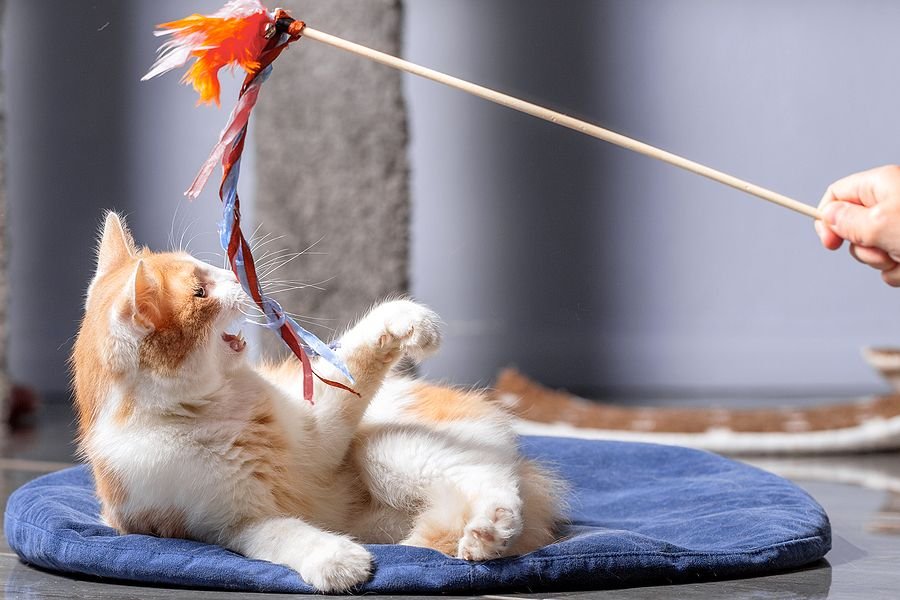
2. DIY Wand: Attach feathers or a bell to the end of a stick and voila, a homemade wand that can provide hours of fun.
3. Ball Maze: Use a cardboard box and some toilet rolls to create a fun maze for your cat to explore and solve.
Always ensure that all materials used are safe and pose no choking hazard to your cats.
Section 3: Mistakes to Avoid and Safety Tips
It’s easy to get carried away over the excitement of handcrafting a toy for your beloved pet. However, safety should always be paramount. Avoid small, detachable parts that could pose a choking hazard, and never use materials that could be toxic or harmful to your cat. Steer clear from sharp objects or anything that could potentially harm your furball.
Section 4: Tried-and-Tested Favorites
Let’s end with a walk-through of some all-time favorite DIY cat toys and why they are so loved by our kitty companions. The feather wand, for instance, is popular due to cats’ innate predatory instincts. It allows them to chase and “hunt,” which provides both physical activity and mental stimulation.
The stuffed sock also holds a special spot because it can be used for both play and relaxation. Cats can toss it around in play, or cuddle with it during their nap times, especially if it’s sprinkled with some irresistible catnip.
Conclusion
Whipping up your own cat toys at home can be a rewarding and interactive experience. Not only does it add value to your pet’s life, but it also strengthens the bond between you. And remember, creating toys isn’t just about physical play; it offers mental stimulation and satisfies your feline’s instincts too.
So, why not put these ideas into action? Dive into DIY and bless your fur baby with some homemade toys that cater to their unique play-style. Here’s to happier, healthier playtimes for your cat – enjoy your crafting journey!
For more tips and guides on improving your cat’s quality of life, continue exploring our blog and feel free to check out our other posts related to cat health, care, and behavior.
SEO Considerations
Use the main keyword throughout the post naturally (e.g., “DIY cat toys,” “cat health,” “cat behavior tips”). Link to related posts on your blog (e.g., “Check out our guide on why play is important for cats”). Include external links to credible sources (e.g., various types of DIY cat toy guides or studies on feline play behavior).
