

Introduction
Let’s talk fleas—not exactly the most pleasant topic to kick off a delightful day, but if you own a feline friend at home, you would have definitely wished you had more knowledge about this pesky problem. That’s why we’re diveling into the wild world of cat flea treatments today. It’s as scratchy and itchy for you as it is for Mr.Whiskers, but today we’re going to set the record straight. In this post, we’ll explore the intricacies of both natural and chemical cat flea treatments, aiming to provide you with a plethora of options to keep your feline friend flea-free. We all want to ensure our household’s furry diva gets the best care with no compromise, don’t we?
Main Body
Section 1: Core Concept
Fleas are tiny, jumping insects that are not only a nuisance but can also spread diseases. At any point, it’s possible for your pet cat to be bombarded by these microscopic ninjas, especially if it enjoys its outdoor explorations. According to Cornell University College of Veterinary Medicine, fleas can live for up to 100 days and produce millions of offspring during that time! Preventing and treating flea infestations is crucial not just for the comfort of your cat, but also to maintain a hygienic living environment. Here, it’s pertinent that we understand the difference—and the active ingredients involved—in both natural and chemical flea treatments.
Section 2: Practical, Actionable Advice
Ideally, a flea treatment should be easy to use, safe for your pet, and effective in killing and repelling fleas. Natural treatments use plant-based ingredients and can be applied or given to your cat to kill existing fleas and prevent new ones. Examples include diatomaceous earth, flea combs, and essential oils such as lemongrass and cedar. Remember, not all “natural” substances are safe—make sure to do your research before applying something to your cat’s skin or adding it to their diet.
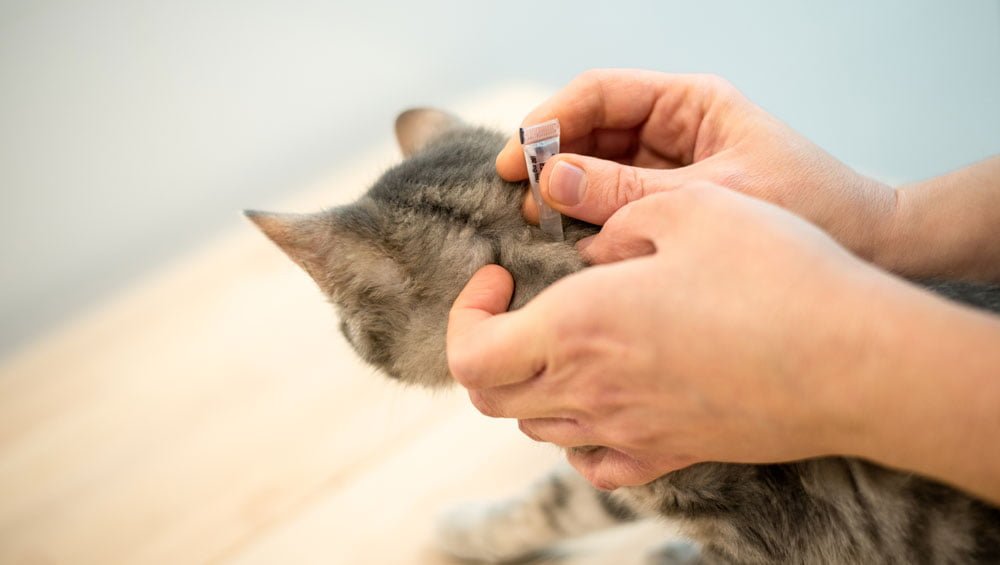
Chemical treatments, on the other hand, are typically more potent and can rid your cat of fleas much faster. They include spot-on treatments, oral medications, and flea collars which usually contain pesticide-like substances that can kill fleas effectively. Of course, there are debates on the safety of using such substances on our beloved pets, and the best practice is to consult with your veterinarian before starting your cat on any new treatment.
Section 3: Common Misconceptions or Mistakes
Ah, the lure of quick fixes! It’s easy to be tempted by the first over-the-counter flea treatment you find at your local pet store, but not all treatments are created equal. Some treatments may promise to be ‘natural’ yet contain harmful substances. Or, you might be under the impression that certain ‘chemical’ treatments are unsafe due to misleading information. It’s always advisable to research both types of treatments thoroughly and discuss them with your vet.
Section 4: Detailed Reviews or Case Studies
Interestingly, a head-to-head study led by Pfizer Animal Health found that a single, monthly flea treatment, selamectin was 100% effective in eliminating fleas from cats in just four weeks. Keep in mind, each cat is unique, and what may work spectacularly for one cat might be just average for another. It’s important to look for reviews of the treatment by cat owners who have used it on their feline friends.
Conclusion
So, whether it’s the plant-powered protection of natural treatments or the scientific prowess of chemical ones, the fight against fleas eventually comes down to individual situations, preferences, and what’s best for your feline friend. It’s always a good idea to consult your vet before any treatment, ensuring a happy, healthy, and flea-free life for your furry friend. Start today by researching the options mentioned in our post.
