

Introduction
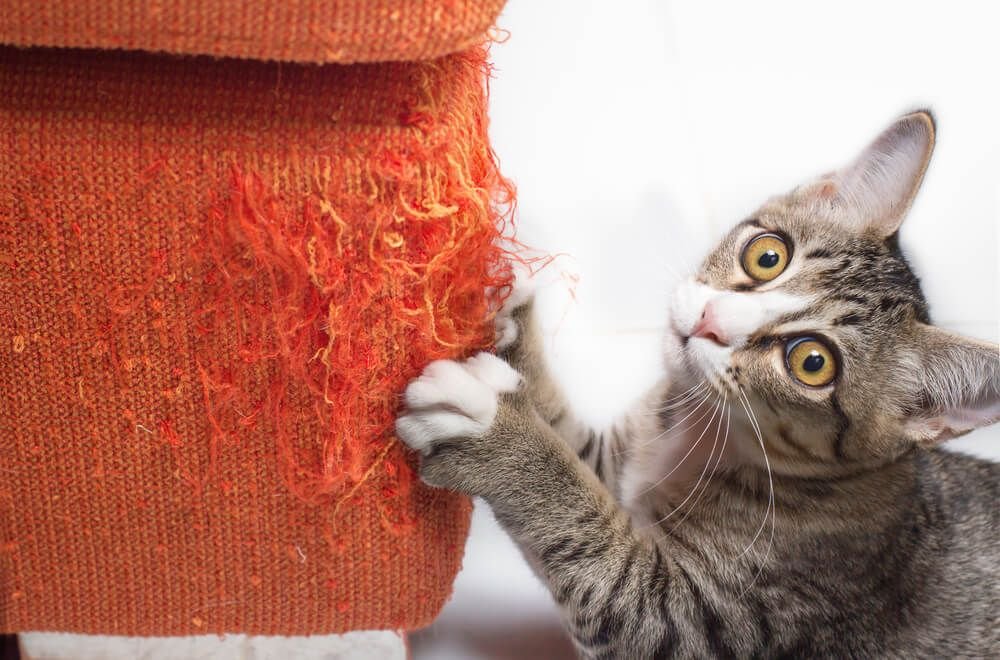
Picture this. You just scored an amazing deal on an elegant, brand-new leather couch. A beautiful addition to your living room, but then your heart sinks slightly as you look over at your four-legged friend. What are they laser-focused on? Your newest purchase, and not in a good way. To your furry family member, this isn’t just another piece of furniture – it’s a giant, enticing scratchpad. If you can relate to this, then this post is for you. Today, we’re going to tackle a universal challenge of all cat parents – how to save your precious furniture from your cat’s mighty claws. In this post, we’ll offer informative, easy-to-follow solutions that will help reclaim your furniture from the feline scratch attack. Ever found yourself asking, “How do I get my cat to stop treating the sofa as their personal scratch pole?”
Main Body
Section 1: Understanding the Scratch
Cat owners, before you despair, let’s explore why your cat is so drawn to scratching your furniture. Scratching is deeply rooted in a cat’s natural behavior; it’s their way of marking territory, stretching their bodies, and shedding their old claws. While scratching is essential for your cat’s well-being, your furniture doesn’t need to fall victim to your cat’s instinctive needs.
Section 2: Tips to Save Your Furniture
Tip 1: Invest in Scratching Posts or Boards: Having an accessible and appealing alternative to your furniture is key. Scratch boards or posts that resemble the texture of your furniture could help divert your cat’s attention.
Tip 2: Discourage Furniture-Scratching: Utilize sticky tape, aluminum foil, or anti-scratching sprays. Cats dislike these textures and smells, deterring them from scratching.
Tip 3: Train Your Cat: Reward good behavior. If your cat scratches their post instead of your furniture, show them love and attention or offer treats.
Section 3: Debunking Scratching Myths
Myth 1: Declawing is the Solution: Actually, declawing is highly controversial and generally seen as inhumane. It’s a painful procedure equivalent to amputating human fingers at the first knuckle.
Myth 2: Older Cats can’t be Trained: You’ve heard the saying, “You can’t teach an old cat new tricks.” However, with patience, reinforcement, and good alternatives, even the most stubborn old feline can adapt.
Section 4: Success Stories
Meet Fluffy, a Siamese cat that loved scratching her owner’s pricey mahogany dining table. Her owner, Hannah, swapped her old, tiny scratch pole for a larger, more sturdy scratching post. It was a hit; Fluffy immediately shifted from the lovely dining table to the scratching post. Regular rewards and consistent reinforcement bolstered Fluffy’s change of heart.
Conclusion
Resolving your cat’s furniture-scratching tendencies can be a journey, a mix of understanding your cat’s behavior, making strategic alterations in your environment, and encouraging better habits. Remember, destructive scratching isn’t about your cat revolting against your taste in furniture. It’s an essential part of their natural behavior. But, this doesn’t mean your cozy home should look like a scratched up mess. Begin today by getting a high-quality scratching post or trying out an anti-scratch spray on your furniture. Keep your cat satisfied and your furniture intact – a winning situation for everyone.
For more helpful cat care tips, check out our other posts like “Choosing the Right Cat Toy – A Comprehensive Guide.”
