

Introduction
Whether you’re a seasoned cat parent or a newbie, you’ve probably been baffled by the odd behaviors of these enigmatic creatures. For instance, have you ever caught your feline fur-baby suddenly itching or gnawing at their skin relentlessly? It’s a strange sight, particularly when nothing seems to calm their itch.
If that resonates with you, you’re definitely not alone. Cat skin issues are surprisingly common, affecting many of our feline friends at some point in their lives. However, the good news is that this blog post will equip you with practical, natural methods for treating and preventing these pesky problems. So, ever wondered how you can tackle your cat’s skin issues using natural remedies? Stay with us as we delve into nature’s medicine cabinet.
Main Body
Section 1: Understanding Cat Skin Issues
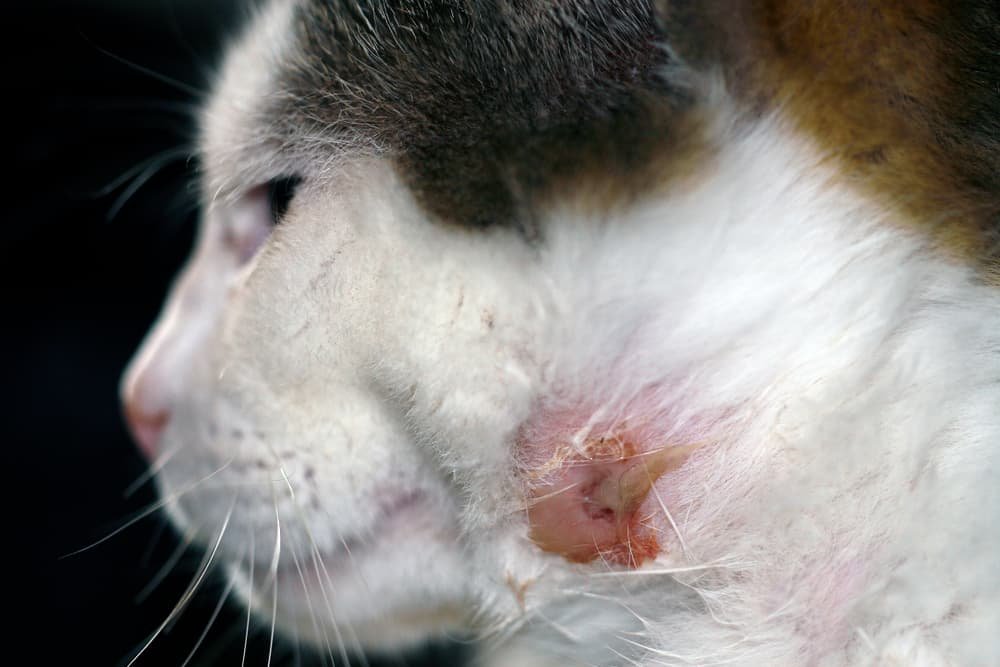
Before we jump into the home remedies, it’s crucial to understand the common skin conditions that can affect our feline companions. Cat skin problems, such as allergies, infections, parasites, or dermatitis, can cause discomfort, inflammation, and various other symptoms. These issues can occur due to a variety of reasons, such as poor diet, lack of grooming, or weak immune system. Therefore, it’s essential to balance the treatments with preventive measures, ensuring that these conditions don’t become recurring issues.
Section 2: Natural Remedies and Prevention Strategies
To keep the skin of your cat healthy, some practical steps can be taken immediately. Diet plays a substantial role, and providing a balanced, nutritious meal ensures that your cat’s immune system is strong enough to fight off skin issues. Food high in Omega-3 fatty acids can improve skin health and reduce inflammation.
Regular grooming is another way of keeping your cat’s skin in good condition. Brushing your cat often can help reduce dander and prevent mats, which can cause skin irritation. You could also consider a weekly bath using a gentle, feline-approved shampoo.
Section 3: Debunking Common Myths
Many cat parents believe that their indoor cats are immune to skin issues. Unfortunately, this isn’t always the case—indoor cats are susceptible to skin problems caused by allergens or dry indoor air, which can aggravate a cat’s skin. Another misconception is that excessive scratching is always a sign of fleas. While fleas are often the culprits, skin issues ranging from allergies to bacterial infections can also cause scratching. Always consult a vet for an accurate diagnosis.
Section 4: Implementing the Strategies – Real-World Examples
Don’t just take our word for it; these natural remedies have worked for countless cat parents. For instance, Debbie, a cat owner, noticed a significant improvement in her feline’s skin condition after making dietary changes. By introducing a diet rich in Omega-3, her cat’s dry skin improved within weeks. Another cat owner, Tom, found that regular grooming helped mitigate his cat’s dandruff problem.
Conclusion
In conclusion, it’s entirely possible to treat and prevent cat skin issues using natural approaches. From proper nutrition to regular grooming, these simple techniques can work wonders for your cat’s skin. And even though some myths about cat skin health have cropped up, understanding the root causes of these issues can empower you to tackle them effectively.
Ready to make your cat’s life itch-free? Begin today by forming a grooming routine or upgrading their diet. With consistent care and patience, your feline friend can bid farewell to skin issues.
Remember, if your cat’s skin issue persists despite these natural remedies, it’s time to visit the vet. At times, a vet’s intervention may be necessary to ensure your cat’s optimal health.
