

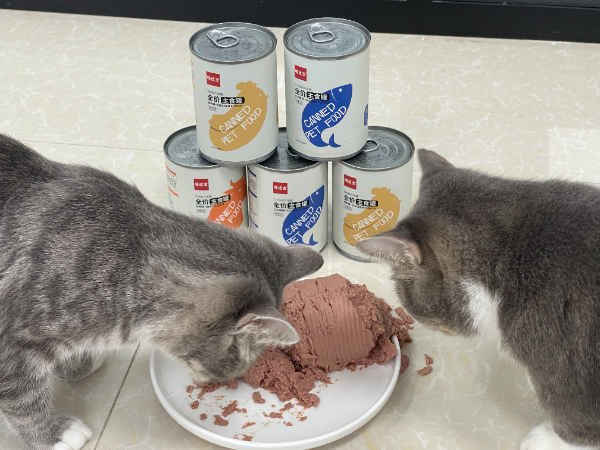
**Your Feline Fussy Eater: Unpuzzling the Mealtime Dilemma**
Ever find yourself staring into the wide, expectant eyes of your furry friend after you’ve served (what you thought was) a royal feline feast–only to watch them sniff disdainfully and walk away? If so, you’re likely scratching the back of your head and wondering where you went wrong. Well, today’s your lucky day, cat-parent! You’re about to discover the best wet food for those regal kitties with sensitive tummies. Ready to become your cat’s favorite human? Then keep reading, as we guide you through the minefield of feline nutrition, debunk some common myths, and showcase the best wet food options on the market today for sensitive feline stomachs.
**Section 1: The Delicate Balance of Feline Nutrition**
Choosing the right food for your beloved, sensitive-stomached cat is not as simple as pointing to a tin or pouch in the grocery aisle. A myriad of factors come into play, from the quality of the ingredients, the percentages of protein, fiber, and fats, to the presence (or absence) of additives and flavor enhancers.
While it’s commonly known that cats are carnivores, it may surprise you to learn that many commercial cat foods are packed with fillers like corn, wheat, and soy which can be hard for cats to digest—contributing to the infamous sensitive stomach. Opting for a diet primarily comprising wet food can drastically help your cat’s digestion, as they typically contain fewer carbohydrates and more water.
**Section 2: Feeding Your Cat the Right Way**
So you’re looking at the mega wall of cat food options, needle in a haystack style. What’s a doting cat owner to do? Look for these key elements:
– High in animal protein: Cats are obligate carnivores, meaning they require a diet that is predominantly meat.
– No or few fillers: Avoid foods packed with grains and other fillers.
– Added nutrients: Make sure the food you choose includes supplements like taurine, calcium, and vitamins A, E, D3, and B12.
– Low in carbohydrates: Unlike us, cats do not get energy from carbohydrates, and instead, require a high protein, high fat, low carbohydrate diet.
**Section 3: Debunking Cat Food Myths**
One common myth floating amongst cat parents is that wet food will spoil your cat’s teeth. This can lead many to feel guilty about feeding wet food to their fur babies. However, according to the Veterinary Oral Health Council, while dry food may provide some abrasive action on the tooth surface, it’s not a guaranteed method for reducing dental disease. On the other hand, wet food’s high water content helps with hydration and can be particularly beneficial for cats with sensitive stomachs.
Another misconception is that wet food makes cats gain weight. While it’s true that wet food often contains more fat than dry food, it also contains fewer carbohydrates, which can contribute to obesity. Overfeeding, not the type of food, is generally the culprit for weight gain in cats.
**Section 4: Our Top Picks for Sensitive Feline Stomachs**
1. **Royal Canin Digest Sensitive**: This wet food is not only highly digestible, but it also keeps the calorie content in check, helping to maintain your kitty’s ideal weight.
2. **Purina Pro Plan Focus Sensitive Skin & Stomach**: This effective formula contains prebiotic fiber to help promote digestive health without irritating your cat’s sensitive innards.
3. **Hill’s Science Diet Adult Sensitive Stomach & Skin Tuna & Vegetable Entrée**: This diet ticks all the boxes for sensitive stomachs, skin, and coat health. It’s high in omega-3 fatty acids and vitamin E for a lustrous coat.
**Concluding Thoughts**
Remember, what works for one cat might not work for another. Monitoring your feline friend and being attentive to her reactions to food is integral in the process of finding the right diet. Armed with this information, you’re now ready to make an informed decision about cat food for your sensitive-stomach kitty. So hop on this gastronomical journey and find your cat’s perfect match!
