

Title: Common Cat Grooming Blunders and How to Dodge Them
Introduction
Think cats are low-maintenance creatures that don’t need grooming? Well, you’re half-right. Cats are expert self-groomers, but owning the proverbial nine lives doesn’t exempt them from needing a helping hand now and again. While we do have a chuckle when they shake off a failed jump or chase their tail around, grooming our feline companions is no laughing matter. Sub-standard grooming, or the lack thereof, can invite all sorts of unpleasant maladies, from skin conditions to hairballs.
In this post, you’ll find tips on avoiding common cat grooming blunders, offering your cat the healthcare they need, and developing a wellness routine that your feline buddy would give a high five for. So, are you ready to put your cat’s wellbeing first and become the cat caregiver they’d purr for?
Main Body
Section 1: Understanding the Art of Cat Grooming
Caring for your feline companion involves much more than giving them their favorite food and a good scratch behind the ears. According to the ASPCA, regular grooming keeps cats comfortable and offers a chance to check for abnormal signs of fleas, lumps, rashes, or bald patches. Thus, proper cat grooming is a must-know skill for every cat owner.
Section 2: Practical Advice for Cat Grooming
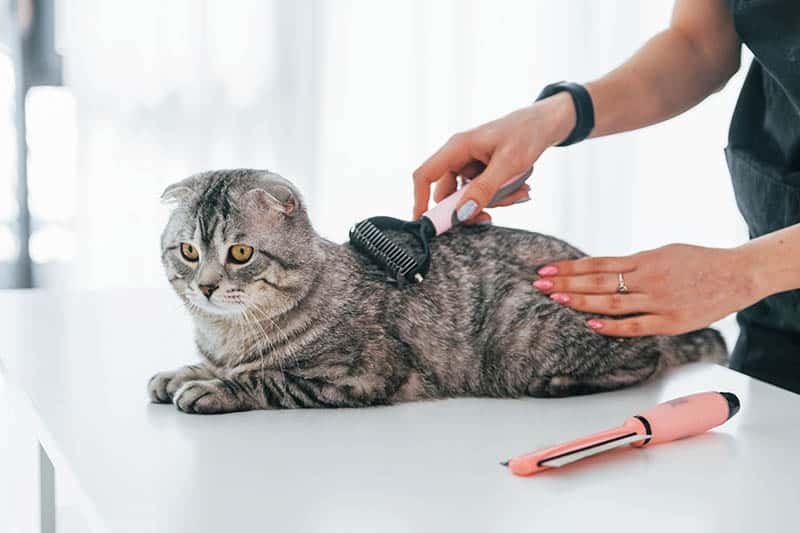
For a start, brush your cat’s fur regularly, preferably daily for long-haired varieties, or at least once a week for short-haired cats. Brushing prevents matting, reduces hairballs, and keeps your cat’s coat shiny and healthy.
When it comes to baths, cats are not big fans, but certain circumstances—like if they get into something sticky—might necessitate one. Use a cat-friendly shampoo, keep the water lukewarm, and avoid getting soap and water in their ears and eyes.
Remember that cats’ nails need to be trimmed too. Monthly nail trims should suffice for most cats.
Section 3: Common Grooming Misconceptions
A common mistake is believing that cats never need baths because they groom themselves. Although cats clean themselves, periodic baths can help manage certain conditions such as allergies or skin infections.
Another fallacy is assuming all cats hate being groomed. While some cats may resist grooming initially, if done gently and regularly, many cats learn to accept and even enjoy the process.
Section 4: Real-life Examples of Grooming Done Right
Consider the case of Mittens, a long-haired Persian cat. Initially, her owner made the mistake of not grooming Mittens regularly due to fear of upsetting her. This resulted in matting and even skin irritation. Following advice from her vet, the owner started a daily grooming routine using a soft brush. Today, Mittens enjoys her grooming sessions and has a beautiful, glossy, and tangle-free coat.
Conclusion
Understanding the significance of cat grooming and diligently avoiding common cat grooming blunders ensures your feline companion remains happy, healthy, and comfortable. So, why wait? Grab that brush and begin your new grooming regime today! By doing so, you’re not just dealing with your cat’s physical wellbeing but also strengthening that bond of affection between you two.
To enhance your cat grooming knowledge further, consider visiting our other blogs on cat health and wellness. For useful insights on feline health from recognized sources, ASPCA and the Cornell Feline Health Center can be insightful.
