

Introduction
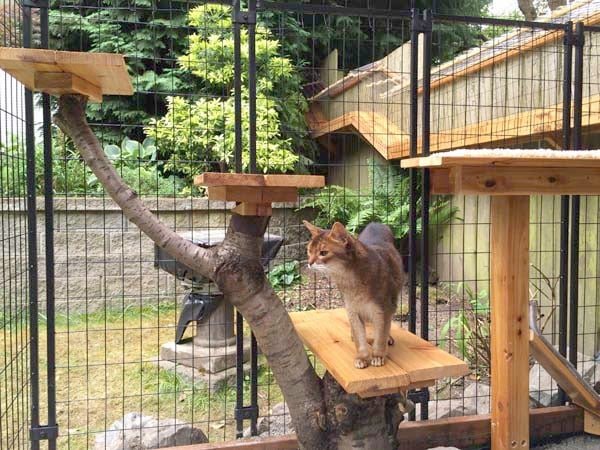
We all know what curiosity did to the cat, right? Well, in this case, your curious feline’s latest fascination with your furniture, drapes, or the family Christmas tree, is leaving a less than desirable trail of destruction through your home. If this situation is all too familiar, it may be the perfect time to introduce the idea of a DIY cat tree project. Not only will building your own cat tree give your furniture and other household items a break from your cat’s attention, but it provides a fun, interactive, and stimulating environment for your feline friend. Ever wondered how your relationship could change by getting involved in enhancing your cat’s world? Let’s find out!
Main Body
Section 1: The Benefits of a Cat Tree
The idea of a cat tree stems from your cat’s natural instincts. In the wild, cats use trees for multiple activities like hunting, playing, and hiding, so bringing this concept inside is a no-brainer. Not only does a cat tree provide a desirable scratching surface, but it provides a safe haven, a high viewing deck for people-watching, a space to sleep, and a play zone, as well.
Veterinary studies suggest that if your cat spends more time interacting with its environment, it is likely to be healthier and happier. In fact, a cat tree can also help reduce negative behaviors like excessive meowing or clawing at more valuable items around your home.
Section 2: Building Your Own Cat Tree
Building your own cat tree can be a fun DIY project. Here are some steps to get you started:
1. Choose a sturdy base – Ensure it’s heavy enough to support the tree and your cat’s weight.
2. Use solid wood or PVC pipes for the tree trunk– Ensure they are cut to a height your cat can easily reach.
3. Cover the trunk with rough material like Sisal rope for your cat to claw at.
4. Add a platform or two – Use plywood for the base, cover it with carpet or faux fur for your cat to sleep or perch.
5. Secure all elements – Ensure everything is properly screwed or glued together.
6. Test the tree – Before introducing it to your cat, test it yourself to make sure it’s stable and secure.
Section 3: Mistakes To Avoid
While building the cat tree, always prioritize your cat’s safety. Avoid using toxic materials and ensure the tree is stable enough to prevent it from tipping over. Ropes or strings used for decorations should be avoided as they pose a choking hazard. Always make sure platforms or perches are securely attached and able to withstand your cat’s weight without bending or caving.
Section 4: Some Real-Life Examples and Reviews
I recently built a cat tree for my 3-year-old Maine Coon, and it was a rewarding process. He instantly loved it and it has since been his favorite spot for scratching, sleeping, or just surveying his territory. It also effectively shifted his attention off our household furniture.
Conclusion
Building your own cat tree not only saves money but it’s a fun project that also enriches your cat’s life. So, why not give it a try? Douse that curiosity with a sprinkle of creativity and give your feline friend the gift of a DIY cat tree – your drapes and furniture will thank you! Don’t forget to check out our site for some amazing DIY cat tree plans and ideas.
