

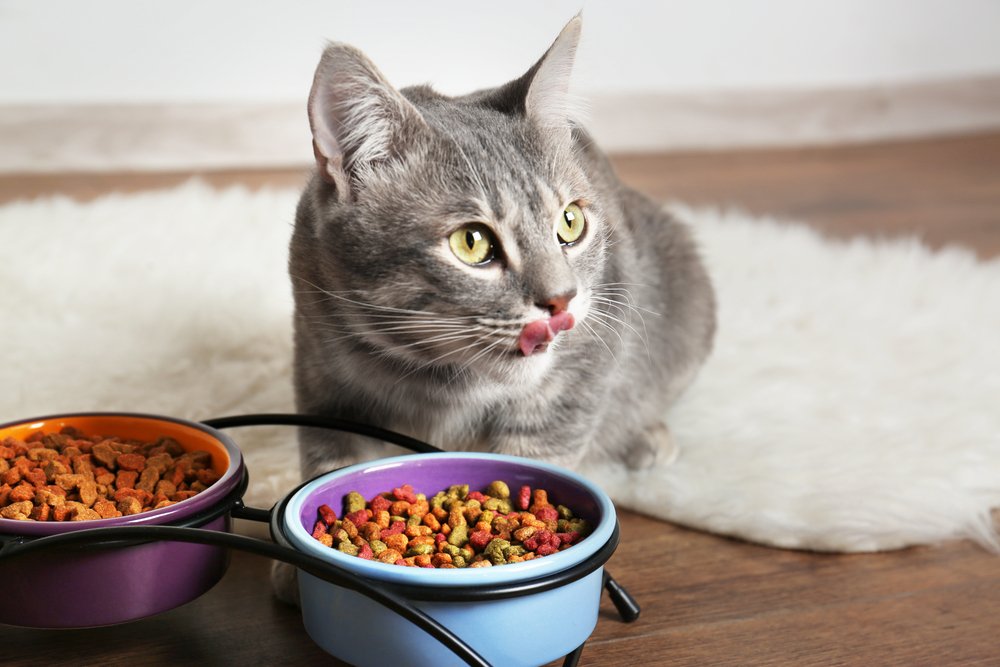
Title: Navigating the Feline Food Aisle: Choosing the Right Cat Food for Different Life Stages
Introduction
They say curiosity killed the cat. However, from a casual cat owner’s perspective, it could very well be the cat’s curiosity – of dipping its paw into houseplants or insisting on investigating the sound of every opened can – that keeps the owner on edge.
As amusing as our furry feline friends can be, owning a cat is nonetheless filled with perplexing puzzles, one of which is how best to feed them. From kittenhood to the golden years, each stage of a cat’s life requires tailored nutritional considerations. Yes, the type of food you feed your cat during these stages can significantly impact their health and wellbeing. In this guide, we dive into the subject of selecting the right cat food for different life stages. Ever wondered if the food you feed your kitty now can affect its tenacity to knock items off your table in the future? Well, you’re about to find out!
Main Body
Section 1: The Pivotal Feline Food Decision
Choosing the correct food for your cat is more than a matter of marshalling colourful cans and bags off the supermarket shelf. It’s an essential health decision. According to veterinary professionals, diet plays a crucial role in your cat’s overall wellness, with potential impacts on body weight, longevity, and even disease prevention. Research from various institutions underscores the importance of feeding your cat a diet suitable for their age and health status. But how can you do that effectively?
Section 2: Strategic Selection – Your Cat’s Menu Planner
For immediate success, start by understanding the specific dietary needs your cat has at different stages of its life. Kittens, for example, typically need food high in protein and calories to support rapid growth. Adult cats require balanced diets that maintain body condition without leading to obesity. Lastly, senior cats may benefit from diets with specific nutrients to support aging joints and cognitive health. By ensuring your cat’s food meets these criteria, you are providing a meal plan fit for a king (or queen, as the case may be).
Section 3: Bursting the Feline Food Myths
Breaking-news! Contrary to widespread opinion, cats are not small dogs. No, seriously, many cat owners are guilty of feeding their feline friends as if they were dogs, with one common misconception being that cats benefit from carbs and grains. However, being obligate carnivores, cats have evolved to consume a diet that is low in carbohydrates and high in protein. Feeding your feline too much grain or carbohydrate-based cat food could lead to obesity and other health problems. Furthermore, every time you’re tempted to give your cat milk, remember that many cats are lactose intolerant, and this ‘treat’ could instead cause digestive upset.
Section 4: Case Study: The Purrrfect Diet
To illustrate the impact a suitable diet can have, let’s look at the example of ‘Whiskers,’ a beloved feline friend. Whiskers was a lively, healthy cat until his owner observed some weight gain and lethargy. The vet’s diagnosis? An improper diet. Whiskers then switched to a nutritionally complete cat food formulated for his age and lifestyle. In no time, he bounced back to his energetic, tail-chasing self—a testament to the power of good nutrition.
Conclusion
Although cats can’t communicate their dietary needs like humans, it’s us, their devoted owners, who bear the responsibility of choosing the right food for their varying life stages. By understanding and applying the fundamentals of feline nutrition, we equip ourselves to make informed decisions for our feline friends.
Take action today! Look closely at your cat’s food labels, research reputable brands or consult with a veterinary professional about how best to meet your cat’s nutritional requirements. Remember, a healthy cat is a happy one, and a happy cat makes for a less stressed-out and happier cat owner.
SEO Considerations: Remember to keep using the keywords “cat health,” “best cat food for different life stages,” and “cat behavior tips” throughout the post. If there’s related content on your blog, like a review on the best cat food brands, don’t forget to include a link. Plugging in external links to credible sources will also add value by supplementing the information you provide.
Happy Feeding!
