

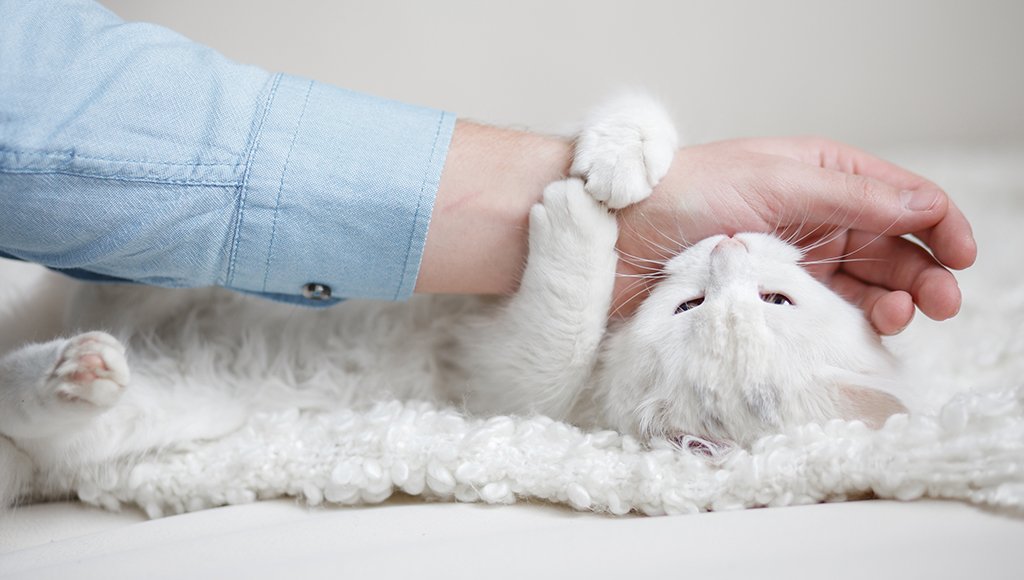
Title: How to Keep Your Cat from Biting or Scratching: Proven Tips to Help You and Your Feline Friend
Introduction
Whether you find yourself enthralled as your cat unsheathes its claws on a sunny afternoon or cringe at the sight of torn furniture and scratch marks on your precious wooden floor, every cat owner knows that cats and their claws are a lethal combo. In spite of their undeniable cuteness, cats can sometimes be terrorising with their biting and scratching behavior. No, your adorable fur ball isn’t turning into a feral beast—it’s just trying to communicate something to you. In this comprehensive guide, we’ll delve into the world of felines to decipher why cats resort to biting or scratching. We will also share some practical tips and advice to keep your furry pal from taking a swipe at you or your lovely furniture. Have you ever found yourself scrambling for ice after being at the receiving end of a surprise cat attack? Well, you’re not alone, and we’re here to help solve this very kitty conundrum!
Main Body
Section 1: Unraveling the Mystery of Feline Scratching and Biting
Cats are complex creatures with a rich palette of behaviors and emotions. Understanding why your cat is biting or scratching is the first step to managing it effectively. Cats may scratch or bite for a variety of reasons which can range from playful communication, asserting their dominance to even expressing stress and fear. Learning to read your cat’s behavior and body language can help you anticipate and potentially prevent damaging actions.
Section 2: Practical Steps to Keep Your Cat from Biting or Scratching.
Knowing is half the battle won! Now that you understand the reasons why your furry pal might bite or scratch, here are some practical steps you can take to curb such behavior:
1. Provide Appropriate Outlets: Invest in scratch posts or toys that allow your cat to channel its natural urge to scratch or bite on harmless objects.
2. Use Anti-Scratch Sprays: Commercially available anti-scratch sprays with scents that cats dislike can save your furniture from your cat’s wrath.
3. Train Your Cat: Use positive reinforcement to reward behavior that you want to encourage and express dissatisfaction towards unwanted actions.
Section 3: Common Misunderstandings
One of the commonly misconceived notions among cat owners is that declawing is a surefire solution to this issue. However, this can be traumatic for the cat and can lead to several health issues. It’s also wrongly believed that punishing the cat can stop it from biting and scratching, but this can actually lead to more aggressive behavior in retaliation or out of fear.
Section 4: Expert Opinions and Experiences
Suzanne, cat Behaviorist, shares her experience “I have seen many cat owners switch from frustration to understanding once they grasped why their cats behaved a particular way. Once they started using redirect techniques and provided suitable scratching alternatives to their cats, they saw a positive transformation in their feline’s behavior.”
Conclusion
Understanding and modifying your cat’s biting and scratching behavior can encourage a peaceful coexistence. It also strengthens the bond you share with your feline pal, making the journey of the pet-parent experience a fulfilling one. Consider using scratch posts or anti-scratch sprays and practice effective behavior reinforcement methods. Remember, patience is key. Start today by implementing these tips and make a positive difference in your cat’s life.
SEOs to think about
Throughout this blog, ensure to use keywords like, “Manage cat biting”, “prevent cat scratching”, “cat behavior management”. Also, remember to link to explainers on cat behavior or related blogs on managing aggressive cat behavior. Credible sources like studies or articles published on legit animal care sites can also be linked for additional guidance.”
