

Introduction
When we think of cats, we often imagine them curled up on a warm, cushy spot or delightfully scratching and playing around. Yet, we often forget that their playful, curious nature might lead them to unexpected corners — like the neighbour’s garden, the attic or even inside a shoebox. In such instances, wouldn’t it be wonderful if your cat had its own special place? Somewhere she can call home, her comfy hangout or the headquarters for all her catty business! In this post, we’ll learn how to make DIY cat houses using recycled materials. Have you ever considered the artistic fulfillment and economical benefit of DIY projects, all while crafting a unique retreat for your furry friend?
Main Body
Section 1: Understand the Need for a Cat House
If you’re a cat owner, you’ve probably seen firsthand how your cat somehow fits herself into the smallest or strangest places. This may seem peculiar, but cats instinctively seek out confined spaces as it gives them a sense of safety and security. By making a cat house, you’re providing your cat with her private, safe space. Using recycled materials is not only earth-friendly but allows you to customize the house according to the size, personality, and preference of your cat.
Section 2: Steps to Create a DIY Cat House
Here’s how you can construct an eco-friendly and cozy cat house from recycled materials:
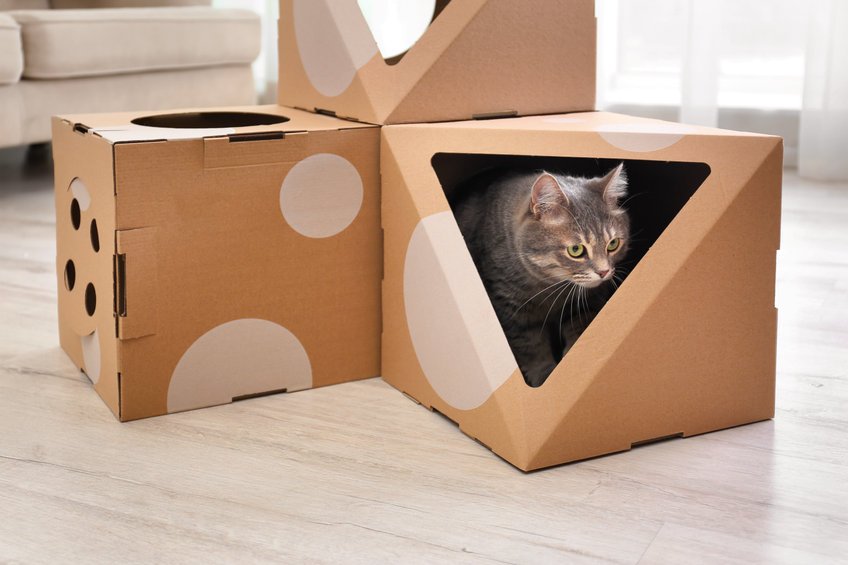
1. Select your Material: Look for sturdy boxes, cardboard tubes, or discarded wooden crates. Clean them thoroughly to ensure there are no harmful residues.
2. Design the House: Sketch out a simple design. It could be a one-room hideout or a multi-level home, depending on the complexity you want.
3. Cut Openings: Cut one or more entrances into your material. Make sure it’s wide enough for your cat to comfortably fit through.
4. Attach Additional Levels: If you’re going for a multi-level house, attach cardboard tubes or create ramps with leftover cardboard.
5. Decorate the House: Make it enticing by adding toys, soft bedding or favorite treats.
6. Position in a Quiet Place: Cats enjoy peace and quiet. Choose a location that is warm, comfortable and out of the way of household traffic.
Section 3: Common Mistakes to Avoid
Using Sharp Objects: Avoid using staples or nails that could injure your cat. Instead, opt for cat-safe adhesives.
Placing in a High-traffic Area: Cats value their solitude. If their home is constantly disturbed, they may decline using it altogether.
Ignoring Individual Preference: Some cats may prefer soft, enclosed spaces while others might like an open, climbable structure. Pay attention to your cat’s preferences when designing the house.
Section 4: Case Study
Laura, a cat owner from New York, built a multi-tiered cat house using old cardboard boxes. She added cushioned sleeping areas, dangling toys, and even a treat dispenser. Her cats were initially skeptical, but with patience and encouragement, they started to explore the house. After a few weeks, it has become their favorite spot. Besides being an exciting project for Laura, it was a sustainable and cost-effective way to provide her cats with a unique and comfy space.
Conclusion
By crafting a DIY cat house from recycled materials, you’re offering a unique, custom-created haven for your cat while being environmentally responsible. So, why not step into the shell of creativity and sustainability, turning everyday materials into a cozy cat retreat. Have a go at building a one-of-a-kind house for your one-of-a-kind pet. A place your cat can truly call home!
