

**Introduction**
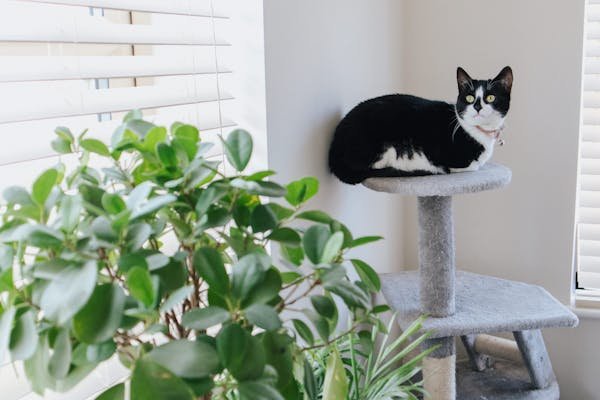
Imagine this fortunate scenario: your couch is scratch-free, the carpet remains fluffy and intact, and your rambunctious feline has a world of adventures waiting for her—in the comfort of your living room. This isn’t a lofty cat owner’s dream, but a reality you can create with the right elements. One such element is a cat tree—an enticing vertical play-station that can satisfy your feline’s instinct to scratch, hangout, and survey their kingdom. But what if it’s possible to craft a cat tree yourself using recycled materials? Not only is this a cost-efficient solution, but it’s also an opportunity to flex your DIY muscles while ensuring your cat’s happiness and wellbeing.
This post will guide you through the process of making your homemade cat tree from recycled materials. We’ll discuss why a cat tree is essential and the suitable materials you can recycle. By the end of our exploration, you’ll uncover the secrets behind a perfect cat-friendly structure, understand how to repurpose objects creatively, and create a cat tree that will help enrich your feline friend’s life. So, do you wish to construct an eco-friendly cat tree that both your cat and your wallet will adore? If yes, then let’s dive right in!
**Main Body**
**Section 1: Understanding the Importance of a Cat Tree**
A cat tree is more than just an adornment for your home; it’s a thriving space for your feline friend. Studies reveal that cats need vertical spaces to truly express their hunting and climbing instincts, ensuring physical health and mental stimulation. Especially for indoor cats, having a climbing structure like a cat tree to compensate for the lack of natural elements enhances their overall quality of life.
**Section 2: Go Green—Choosing Recycled Materials**
Embracing the art of recycling allows us to reduce waste and contribute meaningfully to the environment. When crafting a cat tree, look firstly for stable, sturdy materials, like an old wooden ladder or furniture scraps. Shabby, worn-out pillows can turn into comfortable perches. A piece of an old carpet or a throw rug will make perfect scratch surfaces. Even discarded PVC pipes can be used to provide the central stem of the tree.
**Section 3: Dismantling Common Misconceptions**
One common myth is that a DIY cat tree won’t be as sturdy or safe as a store-bought option. But this simply isn’t true! With keen attention, the right materials, and good design, a homemade cat tree can be stable, safe, and last for years. Contrary to popular belief, it doesn’t require a high-level carpentry skill. Even a beginner can create a quality cat tree with a little planning and patience.
**Section 4: A Step by Step Guide to Your DIY Cat Tree**
A bit of creativity and resourcefulness can go a long way. Here’s an example: take an old wooden ladder, clean it, and give it a fresh coat of cat-friendly paint. Fix it to a substantial base—perhaps utilizing an old shelf or thick board—to ensure stability. Attach PVC pipes, carefully wrapped in repurposed carpeting, as additional scratching and stretching posts. Using old pillows, you can sew cozy perches that attach to the ladder rungs. In no time, you will have a fully functional, bespoke cat tree.
**Conclusion**
Building your cat tree from recycled materials is not only an economical and environment-friendly decision, but it’s a thoughtful act to give your cat a personal, safe space for their activities. Remember, the end goal isn’t to create a sophisticated masterpiece, but a functioning piece made with love, ready to withstand your feline’s rigorous play.
So, embrace green living, help the planet, and provide your beloved feline friend with an awesome homemade climbing structure. Get ready to watch your kitty jump, scratch, and lounge on their brand new, eco-friendly cat tree! Don’t forget to checkout our other essential guides on cat care and products for more tips and tricks on how to create the best home environment for your furry friends.
