

Introduction
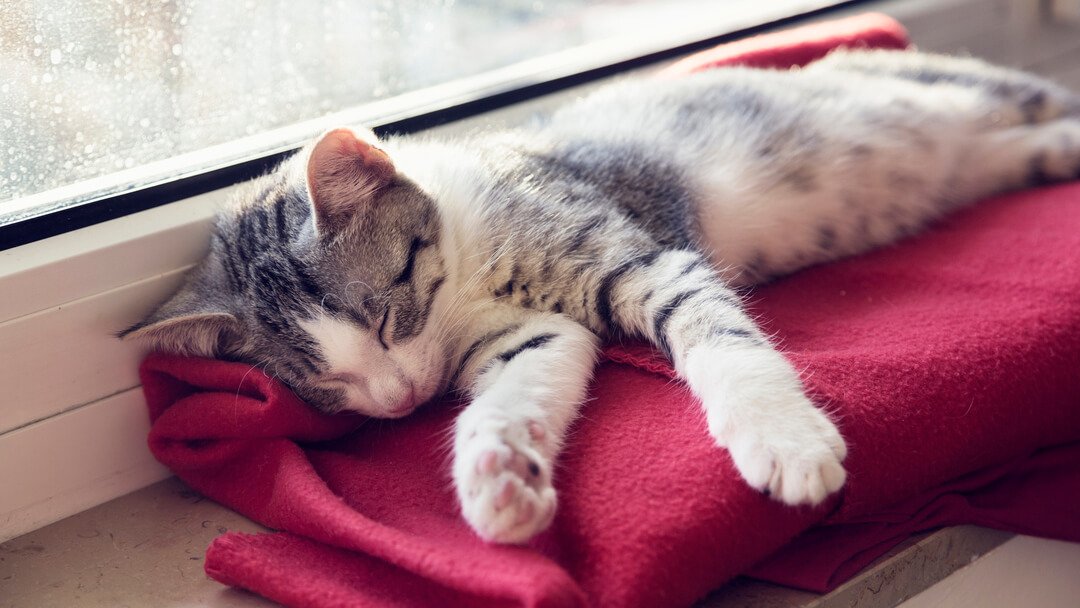
“They say cats have nine lives, but every cat parent knows that if left undisturbed, cats seem to take nine naps a day too! Ever found yourself tiptoeing around your house to not disturb your furball’s sixteenth nap of the day? Well, you are not alone. In today’s post, we’ll explore how to make sure your cat is getting enough sleep for a healthy and content life. So, have you ever found yourself wondering, “Does my cat sleep too much, or maybe not enough?”
Main Body
Section 1: Understanding Feline Sleep Patterns
Contrary to popular belief, cats are not nocturnal but crepuscular, which means they are active during dawn and dusk. This behavior is natural and harks back to their wild ancestors, who hunted during these times to avoid bigger predators. Adult cats sleep around 13 to 14 hours a day, while kittens and older cats require even more. An indoor cat’s sleep might be more fragmented due to the lack of hunting requirements.
Section 2: Ensuring Your Cat Gets Enough Sleep
While you can never really “teach” a cat to sleep, you can definitely create an environment conducive to their natural sleep cycle. This includes providing a warm cozy bed in a dim, quiet area, and maintaining their feeding schedule according to their crepuscular nature. It is also crucial to keep your cat’s weight in check, as obesity can lead to sleep apnea. Engaging your feline friend in regular exercise also promotes healthy sleep.
Section 3: Debunking Sleep-related Myths about Cats
The most common myth about cats is that they are nocturnal. Understanding they are actually crepuscular could alter your perspective about their “disturbing” night activities. Also, while cats do sleep a lot, excessive sleep or lethargy might be signs of illness, thus dismissing the myth that cats are naturally lazy.
Section 4: Real-Life Examples
Meet Oscar, an 8-year-old Tabby, known for his loud midnight operas. His human switched his feeding schedule, now offering him a substantial meal during dusk. Now, Oscar’s midnight concerts are a thing of the past as he stays active during the evening and sleeps soundly during the night.
Conclusion
Understanding your cat’s sleep pattern is key to ensuring their health and well-being. By providing an ideal environment, maintaining their feeding schedule, and observing any changes in their sleep patterns, you could ensure your furry friend’s overall health. Remember, when it comes to cats, more sleep is generally better – so perhaps, next time you find yourself tiptoeing, just join them in their nap!
For more insights on cat health and caregiving tips, check out our previous posts on feline diet and behaviour. Also, delve further into professional studies on feline sleep for a deeper understanding of your pet’s needs.
