

**How to Manage Your Cat’s Shedding: An Ultimate Guide**
If your cat’s shedding has become your furry obstacle, then you’ll likely find no stranger in the avalanche of fluff on your favorite furniture, or the fur balls wafting through your home like tumbleweeds in the wild west. Welcome to the feline circle of life! While shedding is a normal part of cat ownership, managing it can sometimes be as tricky as herding, well… cats. Fear not, fur-parents! In this post, we’re going to explore the ins and outs of cat shedding and offer practical ways to manage the furr-nomenon. So ask yourself: are you ready to take control of your cat’s shedding and save your couch (and sanity) in the process?
**Section 1: The Core Concept**
First thing’s first. What exactly is cat shedding? Simply put, cats shed their fur as part of a natural process to remove old and damaged hair. The frequency and amount of shedding vary greatly among different breeds, ages, and health statuses of cats. However, excessive shedding can also indicate an underlying health problem, which makes understanding the shedding process and paying close attention to your feline snowstorm even more vital. In fact, according to veterinary studies, abnormal shedding can be an early sign of conditions including dermatological problems, stress or nutritional deficiencies.
**Section 2: Practical, Actionable Advice**
Managing your cat’s shedding requires some proactive measures. Let’s break it down:
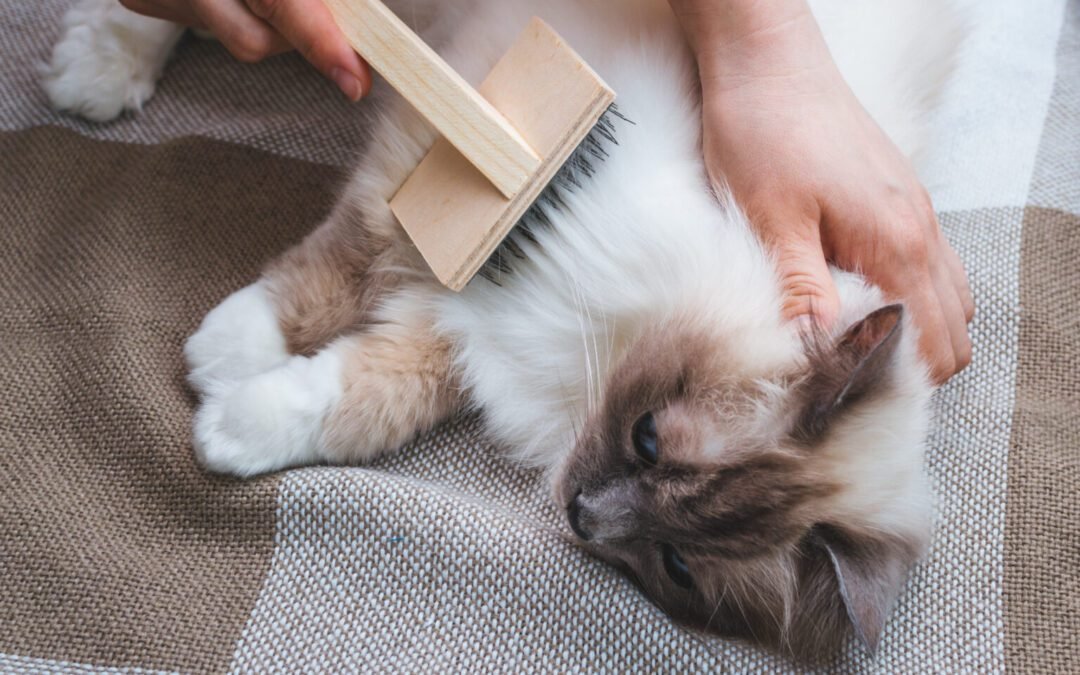
1. **Regular Brushing**: The number one defense against rampant shedding is regular grooming. Use a good quality cat brush to remove loose fur before it ends up on your floors or furniture. Depending on your cat’s breed, this may need to be daily or weekly.
2. **A Balanced Diet**: Nutrition plays an important role in cat shedding. A diet rich in fatty acids like Omega-3 and Omega-6 can help maintain a healthy coat, decrease shedding and improve overall fur health.
3. **Hydration**: Keeping your cat hydrated is essential to a healthy coat and reduced shedding. While cats naturally have a low thirst drive, ensuring they have fresh water available or feeding them moisture-rich canned food can help.
4. **Temperature Control**: Cats often shed more during warmer months in response to changing temperatures. Keep domestic cats in a temperate environment year-round to help manage shedding.
**Section 3: Misconceptions or Mistakes**
One common misconception is that shaving a cat will help with shedding problems. This isn’t necessarily true. While shaving may temporarily reduce the volume of visible hair in the environment, it doesn’t regulate shedding cycles.
Another error stems from owners trying to bathe their cats frequently to minimize shedding. This can actually exacerbate shedding and lead to skin dryness. Regular brushing is a more effective and less stressful method for both you and your feline companion.
**Section 4: Reviews: Finding the Right Tools**
To effectively manage your cat’s shedding, it’s essential to have the right tools. For instance, consider the FURminator deShedding tool, which is specially designed to reach the undercoat where most shedding occurs. It cuts down significantly on the volume of loose hair from shedding. Or you might try a slicker brush if your cat has a long, thick coat. With careful use, these products can make a world of difference in managing your cat’s shedding.
**In Conclusion**
While cat shedding is a natural process, managing it can make your home cleaner and your cat happier. By understanding why cats shed, providing a balanced diet, regular brushing, and appropriate hydration, you can maneuver the fur-bomb situation effectively. So why wait? Start implementing these steps today and make those fur-tumbleweeds a thing of the past! And remember, if you notice any drastic changes to your cat’s coat or shedding patterns, it’s essential to consult your vet.
