

Introduction
Have you ever found yourself sitting on the couch, puffing away on a lint roller to rid your black pants of the fur your cat lovingly deposited on them? Not quite the glamorous lifestyle of a cat owner you imagined, is it? Now, imagine your resident feline making a not-so-pleasant deposit of a different kind – a hairball. In case you thought your clothes were the only things that suffered from your cat’s grooming habits, this post is here to change your mind.
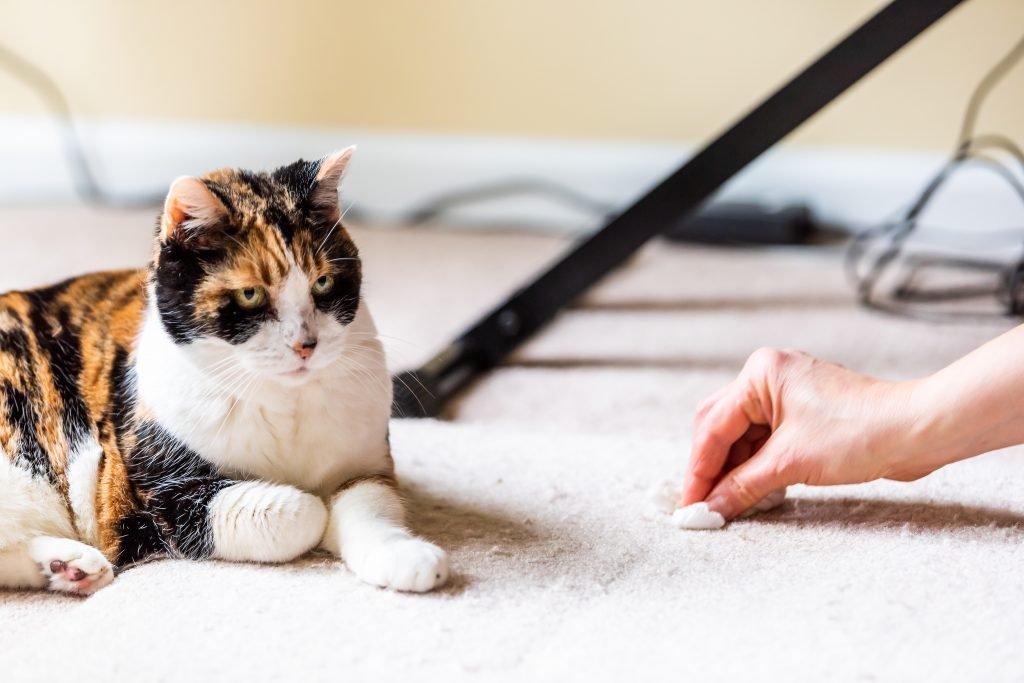
In this post, we delve into the fascinating and, let’s admit it, often gross world of hairballs. We will explore how to prevent hairballs in cats, along with some tips and products to make this job easier. So, you have to wonder, how often does your beloved pet require a furball fix, and what can you do to make sure your cat doesn’t turn your plush carpet into a hairball dumping ground?
Main Body
Section 1: The Core Concept
Hairballs, or trichobezoars, are an uncalled-for perk of owning a cat. Cats are meticulous creatures, spending up to half of their awake hours grooming themselves. This habit inevitably leads them to swallow their loose fur. Usually, this fur passes through their gut and gets expelled in a less impressive manner. However, sometimes it remains in the stomach, forming a lump – the dreaded hairball.
According to American Veterinary Medical Association, hairballs are common in cats, especially in breeds with long or thick hair like Persians and Maine Coons. However, frequent hairballs can also be a sign of other health issues like inflammatory bowel disease or cancer.
Section 2: Practical, Actionable Advice
So, how can you prevent this unappetizing situation? Here are a few tips:
1. Regular grooming: Brushing your cat regularly can reduce the amount of fur they swallow.
2. Proper diet: Feed your cat a high-fiber diet which can help the hair pass through their system.
3. Hydration: Ensure your cat has plenty of fresh water. Being properly hydrated helps keep their digestive system working smoothly.
4. Hairball products: There are several products available designed to prevent and treat hairballs, including specialized cat foods, lubricants, and treats.
Section 3: Common Misconceptions or Mistakes
Contrary to popular belief, hairballs are not solely a problem for long-haired cats. Many cat owners make the mistake of thinking their short-haired feline friends are immune to furballs when, in fact, all cats are prone to them.
Another misconception is that hairballs are always normal. While occasional hairballs aren’t usually cause for concern, frequent hairballs can indicate underlying health problems and should not be ignored.
Section 4: Product Reviews
To help navigate through the myriad of hairball prevention products, we’ve reviewed three types:
1. Hairball Control Cat Food: Brands like Hills Science Diet and Royal Canin have products explicitly designed for hairball control. These are high in fibers and can help manage hairballs effectively.
2. Hairball Treats: Nutri-Vet and Feline Greenies offer hairball treats that not only provide necessary lubrication for fur to move through the cat’s system but are also popular with our feline friends.
3. Hairball Lubricant: Products like Cat Lax and Lax’aire provide necessary lubrication to help the hairball move through the digestive system and prevent blockages.
Conclusion
Preventing hairballs in cats is achievable with a combination of regular grooming, a proper diet, maintaining hydration, and using special hairball products when necessary. But remember, while occasional hairballs are normal, frequent hairballs could signal underlying health problems and should not be ignored.
Take the necessary steps today to reduce hairballs in your cat. Consult a vet if you’re worried about your cat’s hairball frequency and invest in hairball control products. Your feline friend (and your carpet) will thank you!
