

Introduction:
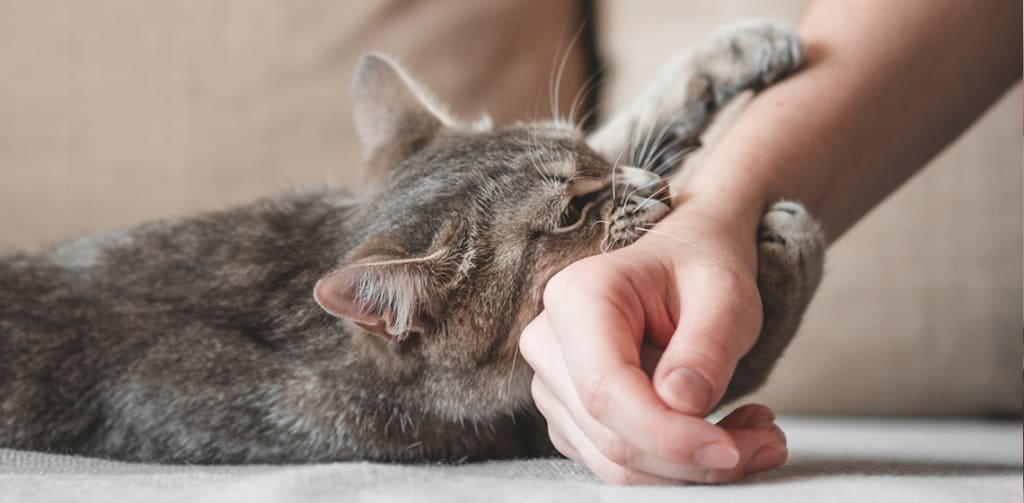
Picture this: you’re cozily curled up with a book, relishing a peaceful afternoon, when your seemingly sweet feline friend morphs into a creature of pure malice. Those adorable paws suddenly wield razor-sharp claws, and the purring becomes bloodcurdling growls. It’s a mystery that leaves many cat owners biting their nails and wondering, “Why is my Fluffy behaving like a tiger in my living room, and how do I make it stop?”
Indeed, dealing with an aggressive cat can turn your calm domestic life into a wild jungle adventure. But worry not, we’ve got you covered. In this post, we will address the puzzling concern of feline aggression, with insights into why your cat may be embodying ‘the king of the jungle,’ and actionable steps to tame your pet’s hostility successfully. Are you ready to transform your wild beast back into a domestic kitten? Let’s get started!
Main Body:
Section 1: Understanding Feline Aggression
Understanding a problem always marks the first step towards finding a solution. Cat aggression could spring from various sources. It could be due to pain, fear, territorial issues, or simple frustration. An investigation might reveal that your cat isn’t just a domestic diva but is really battling underlying health issues or emotional disturbances.
To conquer feline aggression, observe your cat’s behavior keenly. Recognize the triggers causing them to respond aggressively, and seek professional help if needed. A visit to the vet might be prudent, as some seemingly aggressive behaviors may reflect pain or health issues.
Section 2: Dealing with Feline Aggression – Practical Tips and Tricks
Curbing a cat’s aggression is not about winning a fight; it’s about diffusing the hostility with understanding, care, and patience. Here are a few steps to guide you through the process:
– Never punish your cat — it only increases fear and aggression.
– Train your cat to associate positive things with the triggers. Treats, gentle words, or play can be rewarding.
– Maintain a regular schedule to reduce anxiety.
– Provide an enriching environment with toys, scratching posts, and platforms.
– Consult a veterinarian or a certified animal behaviorist if the aggression continues.
Section 3: Common Misconceptions:
Cats are mysterious creatures, and there are many misconceptions surrounding their behavior. Some people think cats exhibit aggression just because they are ‘mean,’ which isn’t true. Cats are just expressing their feelings in the only way they know how. Punishing or ignoring the behavior won’t solve the issue and can potentially make it worse.
Section 4: Case Study: Success Story from a ‘Clawed’ Home
Jane had a tormented couple of months with her cat, Whiskers. Once an affectionate lap cat, Whiskers had unpredictably turned hostile. Jane followed all the advice provided above – she maintained a regular schedule, created a comfortable environment, and sought professional help. Whiskers was diagnosed with osteoarthritis, exacerbated by obesity. Upon successfully addressing the underlying health issue, Whiskers’ aggression reduced significantly.
Conclusion:
Taming an aggressive cat is undoubtedly a challenge that requires patience, perseverance, and understanding. Indeed, your tiny tiger may have moments of wild behavior. But remember, each hiss is a cry for help—a sign of an underlying issue that needs addressing.
Take the first step towards a harmonious household today by understanding the triggers behind your cat’s aggression and adopting our actionable advice. Your aggressive feline friend can go back to being your loving, purring pet, ensuring your home is a peaceful place. You might want to check out our blog on “Understanding Feline Body Language” for more insights into your cat’s behavior.
Revamp your knowledge on how to calm an aggressive cat right away, before you face another showdown at your very own ‘Claws Out Corral’!
