

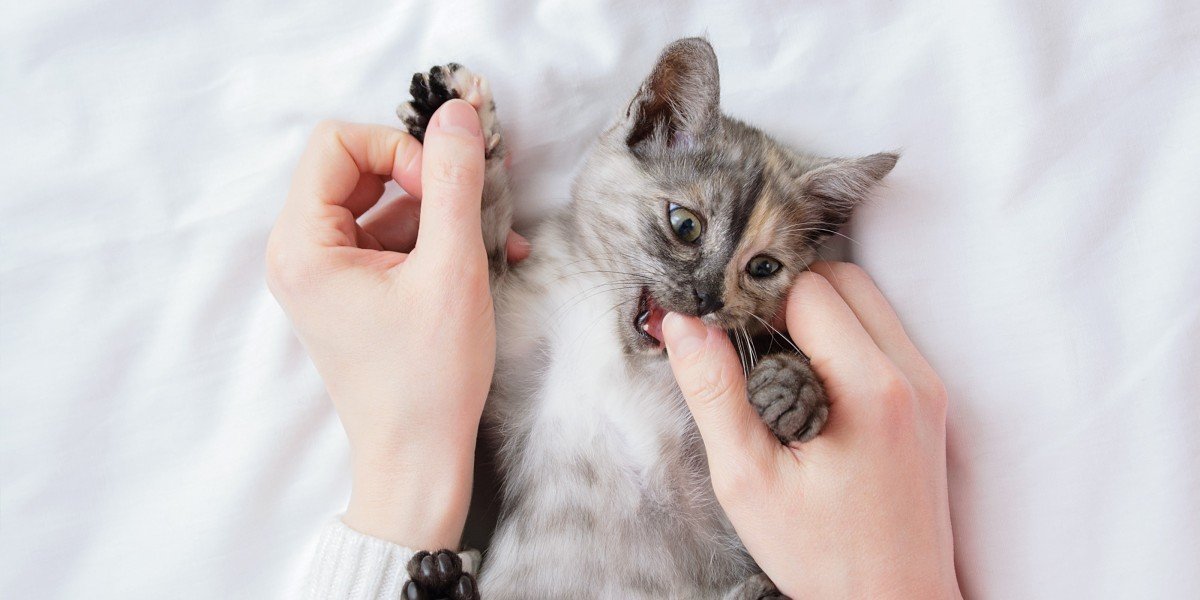
Title: Curb the Claw: How to Stop Your Cat from Biting and Scratching
Introduction
Has your fluffy friend ever mistaken your arm for a scratching post, rudely interrupting your peaceful petting session? Or perhaps your kitten’s latent playful aggression has left you with battle scars worthy of a brave lion tamer. If the answer is yes, then you’re in the feline-friendly club that struggles with the age-old issue of cats using their teeth and claws as weapons of attrition. In this post, we’ll tackle the mystery of this behavior and explore how to stop your cat from biting and scratching without causing harm to their cheerful, curious nature. Have you been searching for effective ways to stop your fur buddy’s aggressive behavior while maintaining a healthy, happy atmosphere in your home?
Section 1: Understanding the Behavior Behind the Battle
Biting and scratching are natural behaviors among cats. Derived from their big cat ancestors, these methods serve as their primary defense against predators, a hunting tactic, and a way of establishing their territory within their environment. However, when your pet cat starts using its nails and jaws on you or the furniture, these behaviors can quickly become problematic. Studies show that understanding these instincts and treating them carefully can help solve this behavior problem.
Section 2: Putting the Claws Away
If your feline friend has taken a liking to using you as a makeshift scratching post, don’t fret. Here are some practical steps you can put into action right away:
1. **Provide outlets for their antics:** Invest in a variety of cat-friendly toys or scratching posts to help divert their attention from your furniture, or better yet, your unsuspecting skin.
2. **Educate them gently:** Train them by associating nail-trimming with positive experiences. Toss a treat their way every time they endure a nail-trimming session, which will make it an experience to look forward to.
3. **Avoid physical punishment:** In response to aggression, responding with aggression of your own does more harm than good. Never hit or shake your cat; it only solidifies their fear instead of their trust.
Section 3: Clearing Up Cat Misconceptions
A common myth surrounding feline aggression is that all cats are naturally aggressive. But contrary to popular belief, aggression is not inherent among all cats. Instead, this behavior often comes from a place of fear, anxiety, territorial control, or simply misdirected playfulness. Understanding what triggers your cat and responding accordingly can help negate these aggressive tendencies. Another misconception is that declawing is a viable solution to stop the scratching. Declawing can lead to severe physical and behavioral complications for your cat. Instead, opt for humane solutions like nail caps or frequent trims.
Section 4: Real-life Experiences
Take it from Sue, a long-time cat parent who was once at her wit’s end dealing with her cat’s aggressive behavior. “After months of battling scratches and bites, I introduced Monty to his new cat tree and toys,” recalls Sue. “And with a little patience and lots of treats, the transformation was incredible. Now, I can pet him without any fear of sudden aggression.”
Conclusion
The path to a scratch and bite-free relationship with your cat involves understanding their natural instincts, providing ample outlets for their energy, and calmly addressing unwelcome behaviors. An aggressive cat doesn’t have to mean a loveless bond. It merely requires a bit more understanding, patience, and the right approach to behavior modification. It’s time to translation your feline’s aggression into harmonious cohabitation. Try implementing some of these strategies with your feline friend today and watch how your relationship transforms!
SEO Considerations
Use keywords like “stop cat from biting and scratching,” “understanding cat aggression,” “how to train your cat.” Link to other blog posts on your site about cat care or fixing cat behavior issues. Include external links to reputable sites on feline behavior or training tips.
