

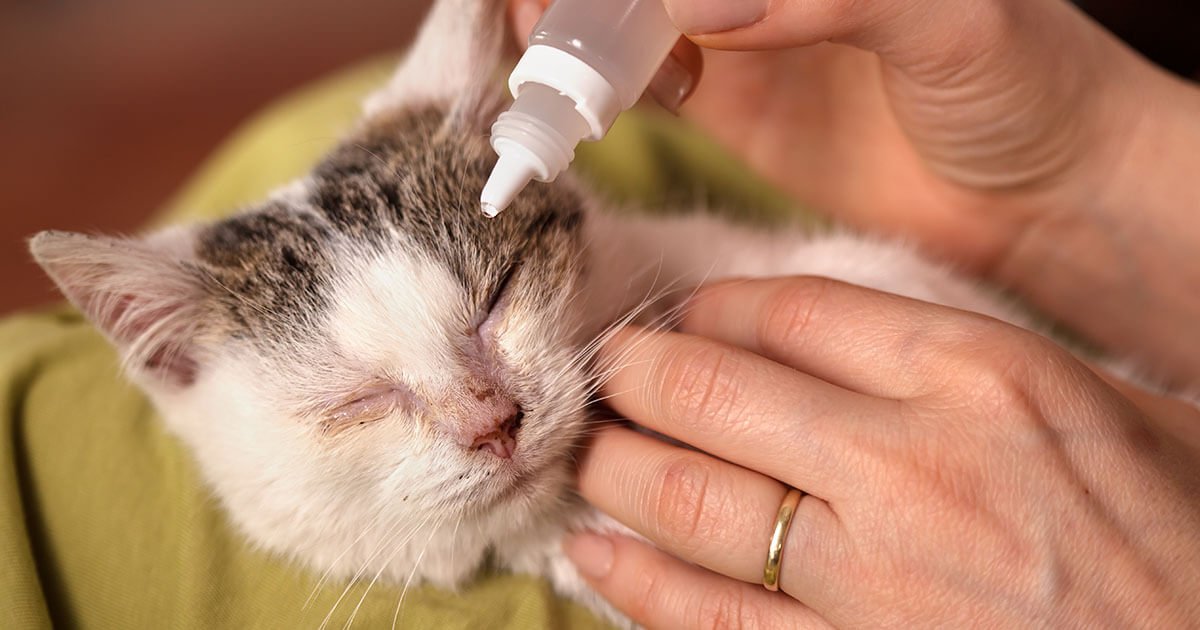
Introduction
We’ve all had that heart-wrenching moment where you’re cuddling your fluffy feline friend, you gaze into their eyes…and realize something isn’t quite right. They aren’t Moo the Dwight Schrute suspecting prank from Jim of The Office anymore, rather, their glittering orbs are a bit dull, watery or, worse, secreting some unsightly discharge. A keystone aspect of feline health, just as in humans, is ensuring your cat’s peepers are clear, vibrant and in tip-top shape. Cat eye care is crucial to their overall well-being and can prevent complications that can lead to serious problems in the future.
In this post, we’ll delve into the how-to’s of cat eye care, providing valuable insights to spot issues before they exacerbate. By the end of this article, you’ll be equipped to safeguard the vision of your furry companion and ensure their eyes are always bright and clear. Now, have you ever wondered, “How do I even begin to clean my Leo’s eyes or even recognize something is wrong?”
Main Body
Section 1: The Basis of Cat’s Eye Health
Let’s start by understanding what constitutes healthy cat eyes. Exhibiting multiple similar facets as human eyes, cat eyes showcase a rich presence of colour and radiance, no excessive blinking, tearing, or discharge. You might be surprised to know that the occurrence of eye infections in cats is relatively common, with factors ranging from viral and bacterial infection to injury. Being proactive about their eye health is essential to maintaining their quality of life.
Section 2: Ensuring Feline Optical Health – Practical Steps
You can fortify your cat’s eye health by following some simple steps. First, regular check-ups with the vet are a must to catch any issues early. Ensure your cat’s living environment is clean, reducing the chances of harmful bacteria or viruses infecting your kitty’s eyes. Additionally, provide a balanced diet, rich in eye-friendly vitamins like A, C and E. Lastly, familiarize yourself with the subtle clues your cat’s eyes could show when something isn’t right such as excessive watering, redness, cloudiness, or frequent squinting which could be signs of an issue that needs immediate veterinary attention.
Section 3: Common Myths and Missteps
One common myth is that eye discharge in cats is normal, while it can be in some cases, it’s very important to monitor. Clear, minimal discharge could be the result of dust or temporary irritation, but a consistent discharge, especially if colored, needs veterinary attention. Another misconception is that human eye drops can be used for cats, this is not true and can escalate the problem further; always consult a vet for suggestions.
Section 4: Personal Experiences and Real-Life Scenarios
I once noticed my cat, Whiskers, had been excessively winking at me. I initially found it cute but then I began to wonder, ‘Why is Whiskers turning into a Claude van Damme of cats?’ On closer inspection, I noticed a tiny piece of dust lodged in her eye. A gentle clean with a damp cloth alleviated her discomfort, teaching me the importance of regular eye checks and early intervention.
Conclusion
Taking care of your cat’s eyes is about preventive health care. With routine checks and the right knowledge, you can ensure that your furry friend’s eyes are as healthy as possible. Monitoring their eye health and ensuring you keep their living space clean, engaging in regular vet visits, and providing a balanced diet will certainly help in preventing eye issues. Start today by incorporating these insights into your cat care regimen and see the bright difference in your feline friend’s life and health.
