

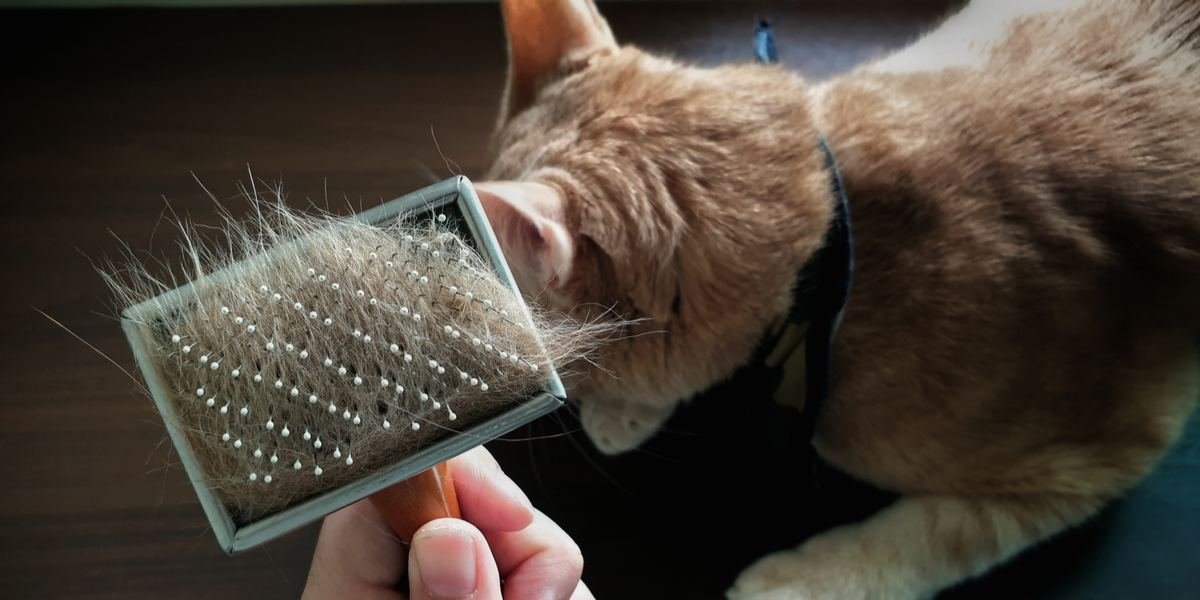
This year, a peculiar seasonal event caused quite the commotion in my house. In between the hustle of spring-cleaning and frantically gulping iced lattes to cope with the rising temperatures, I found myself – a cat parent – battling a furry menace; shedding season! My black sweaters were a snowfall of fur and my Persian feline, Luna, looked entirely too satisfied with the chaos. Sound familiar? Then this post is just for you! In this piece, we’ll de-fur, (I mean, decipher) how to take impeccable care of your cat’s skin and coat during the troublesome shedding season.
Just how does a little hair get to be such a massive problem, you might wonder? Stick around, and you’ll discover everything you need to know about why your cat sends you into sneezing fits during shedding season and more importantly, how you can manage it effectively.
Section 1: Understanding the Shedding Season
Like a leaf-shedding tree preparing for spring, cats shed their old, damaged fur for a brand new, glossy coat. While the severity and frequency of shedding can vary from breed to breed, or even cat to cat, the primary purpose is always the same: temperature control. Indoor felines shed all-year-round due to artificial lighting. However, outdoor cats and those exposed to natural light are likely to have heavier shedding sessions during the spring.
Section 2: Skin & Coat Care Guidelines
So, now you know why Luna leaves her mark on everything she perches on. But how can you tame this furstorm? Here are some easy, actionable tips:
1. Brush, Brush, and then Brush some more: Brushing Luna consistently can minimize those pesky furballs round the house and improve her coat health.
2. Opt for a Balanced Diet: A diet rich in essential fatty acids like Omega-3 and Omega-6 can give your cat’s coat a shiny, healthy appearance.
3. Hydrate: Water isn’t just essential for healthy skin and coat, but it’s also vital for reducing hairballs.
Section 3: Common Misconceptions about Cat Shedding
Can shaving your cat help reduce the shedding mess? A common misconception, but the answer is a resounding no. Shaving your feline may cause stress, temperature regulation issues and skin damage. An increased frequency in brushing is a much more recommended solution.
Section 4: Real Life Experiences
I transformed my Luna’s coat from dull to dazzling by incorporating virgin coconut oil into her diet. The change was remarkable. Experts also recommend salmon oil for cats, which is rich in fatty acids and known to enhance coat health. You could give these a try to win the shedding battle!
In conclusion, navigating the shedding seasons needn’t be a hair-pulling experience. With regular grooming, a balanced diet, plenty of water and some myth-busting, you can ensure your feline retains a healthy, glossy coat all year round. Start today by introducing that nutritious omega-rich diet and do recall that an extra brushing session never hurts. Here’s to hoping that next year, as spring rolls around, you’ll be fretting less about your cat’s shedding, and enjoying more of what the season has to offer!
