

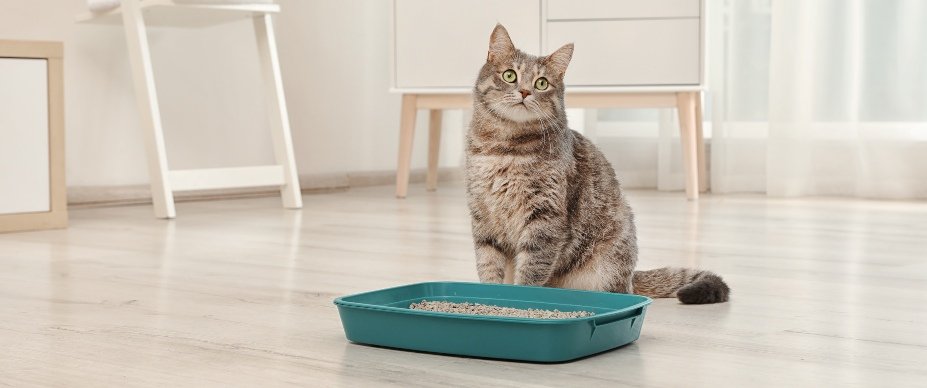
Title: Purr-fect Potty Training: Your Ultimate Guide on How to Train Your Cat to Use the Litter Box
Introduction
Ever caught your furry friend peeing on your favorite rug? Are you tired of finding surprise poops behind the couch? As a cat owner, sometimes it feels like you need a PhD in Feline Bathroom Etiquette just to keep your living room smelling fresh. The truth is, training a cat to use the litter box isn’t that complicated. In fact, it could be as easy as letting nature take its course – with a tiny nudge from you, of course. In this post, we’ll be exploring the steps on how to train your cat to use the litter box, ensuring you maintain a clean house and a happy cat. Now, who’s up for a fun feline toilet training adventure?
Main Body
Section 1: The Core Concept
Training your cat to use the litter box starts with understanding a fundamental aspect of feline nature – cats are clean animals. Yes, despite their occasional weird behavior like rolling in the dust or scratching at your furniture, cats are fastidious groomers that prefer to do their business in a clean, designated area. The key to litter training is to best replicate their natural preferences which involve sand-like substance, quiet, secluded locations, and impeccable cleanliness. Bridging their innate traits with these measures is your first step towards success.
Section 2: Practical, Actionable Advice
The first step to litter training is choosing a litter box and a litter that your cat finds comfortable and enticing. Getting a box that is large enough, placed in a quiet, accessible spot, and filled with unscented, sand-like litter often works best. Make sure to have one more litter box than the number of cats you have to avoid territory disputes and keep the peace.
If your cat needs encouragement, you can create a positive association with the box by giving them treats and praise each time they use it. Remember to be patient and provide gentle guidance, as forcing them can backfire.
Section 3: Common Misconceptions or Mistakes
One common misunderstanding is that cats automatically know how to use a litter box. While kittens learn from their mothers, they might still need guidance, especially if they’ve been separated early. Also, it’s crucial not to punish your cat for accidents, as it will only create fear, not understanding. Keep in mind, accidents can also signal potential health issues so consult with your vet if problems persist.
Section 4: Detailed Reviews or Case Studies
Let’s take, for example, Bella, a one-year-old rescue cat. When her owner adopted her, Bella showed quite the disdain for the litter box. The owner took action by first trying several kinds of litter until they found out Bella preferred the soft pellet kind. They then introduced litter box affinity sessions with treats, which drastically improved Bella’s usage. This demonstrates that with a little persistence and understanding, your cat will eventually embrace their box.
Conclusion
Potty training your cat might seem like a daunting task, but with the right understanding, patience, and techniques, you’re well on your way to a fresher-smelling living room and a happier cat. Remember to take into consideration your cat’s nature, preferences, and also keep an open mind. And who knows, maybe you’ll end up snickering the next time you see a dog owner scooping up after their pet while your kitty does their business like the sophisticated creature they are. Start today by setting up a conducive space for your cat and observe how quickly they’ll adapt.
SEO Considerations
Remember to savor other posts on our blog such as “Simple tips to keep your cat healthy” and “How to choose the right type of litter for your pet”. There’s a wealth of knowledge on the internet when it comes to understanding feline behavior. For instance, this study on feline toilet preferences sheds light on why some cats might be picky about their litter box.
