

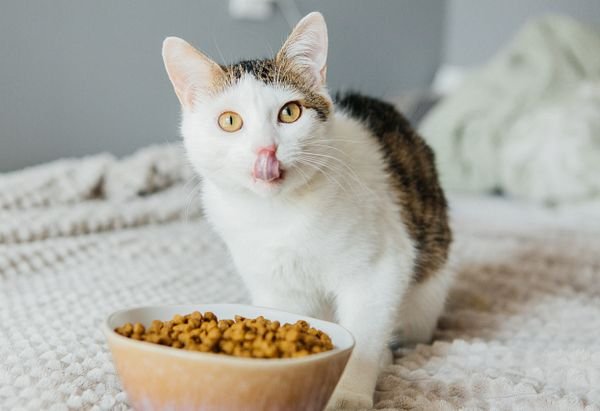
Title: “Feeding Feline Finesse: Transitioning Your Cat to a New Diet?”
Introduction
Imagine this scenario – Your feline companion, the adorable fur-ball of energy and entertainment, is in perfect health, until one day, your vet advises a change in its diet because of an unforeseen health issue. Maybe it’s a slightly higher cholesterol level, low weight, or perhaps certain allergic reactions. Suddenly, your peaceful everyday routine with your loving pet is disrupted and turned upside-down. Sound all too familiar? Don’t worry, you’re not alone. Today, we’ll explore how to smoothly transition your pet cat to a whole new diet with minimal stress for both you and your whiskered friend.
Ever wondered how changing your cat’s diet can affect its health in the long run? It’s a common concern for cat owners. Food is not only their source of nourishment but also a quintessential part of maintaining their overall health. So let’s dive into this intriguing topic and explore how best to transition your cat into its new eating regimen.
Main Body
Section 1: Understanding Why a Diet Change is Necessary
All cats are not created equal. Some may be fine with the diet they’ve been on for years, while others could do better with something different. Factors such as breed, age, weight, and health issues play a vital role in determining the kind of diet your cat requires. Furthermore, scientific studies suggest that dietary changes can help manage several health conditions in cats, like urinary tract diseases, obesity, or allergies. Thus, having a complete understanding of your pet’s needs is a stepping-stone to introducing a new diet.
Section 2: A Step-by-Step Guide to Dietary Transition
Once you’ve recognized the need for a diet change, it’s time to put the plan into action. Starting slow and gradual is key. You can begin by introducing a little bit of the new food into their old diet. Over the course of about a week, gradually increase the amount of new food while decreasing the old until the transition is complete. Patience and persistence go a long way in making this process smooth and stress-free.
Section 3: Neutralizing Preconceived Notions
There’s a general misconception that cats should only eat fish, mainly tuna. While fish does provide essential nutrients like Omega-3 fatty acids, an all-fish diet can lead to deficiencies. Cats require a balanced mix of poultry, meat, and fish. Another common myth is that cats should drink milk. However, many adult cats are lactose intolerant and can experience upset stomachs as a result.
Section 4: Real-Life Applications: A Case Study
To illustrate how a diet change could benefit your cat, let’s delve into a case study. Consider Missy, a playful domesticated cat that started having obesity issues. On changing her diet to a high protein, low carb one, not only did she shed those extra pounds over a few months, but her energy levels also skyrocketed. Furthermore, transitioning from a commercially available diet to one that was low in fillers and artificial additives solved Missy’s ongoing digestion issues.
Conclusion
Understanding the importance of the right diet for your cat’s wellbeing, recognizing the need for dietary change, and implementing it systematically are crucial steps in ensuring your cat’s health. By shedding light on some common misconceptions and providing practical advice, we hope we have made the challenge of changing your cat’s diet less daunting. After all, healthy cats lead to happy owners. So why wait? Take a step today to revamp your cat’s meal plan and see the positive change that unfolds.
SEO Considerations
Inculcate key phrases like “cat health,” “diet transition for cats,” “cat feeding tips,” naturally within the blog post. For more information or related topics, you can check our articles on “Common Cat Allergies” or “Age-appropriate Foods for Cats.” Also, for more in-depth information on feline nutrition and health, visit websites like ‘American Veterinary Medical Association’ or ‘Pet Nutrition Alliance.’
