

**Introduction: Entertainment in the Cat World**
There is a joke amongst cat lovers which goes like this: “Dogs have owners, Cats have staff”. Any cat owner can surely relate to this humorous quip. Your feline companion, regal and sophisticated, rules the house and you are their dutiful servant, ready to meet their every need from feeding to play to general adoration. Life with a cat is full of adorable surprises that only a cat parent can understand. Amid this feline indulgence lies a more serious issue. How often do you take your pet cat to the vets for a routine health check-up? Or do you act only when there is obvious discomfort or sickness?
In this blog post, you will learn about the importance of regular check-ups for your cat and how it can nip potential health issues in the bud. After all, an ounce of prevention is worth more than a pound of cure, right? So, have you ever wondered how a regular cat health-check can make a world of difference to your furry companion?
**Section 1: The Essential Idea: Regular Cat Check-ups**
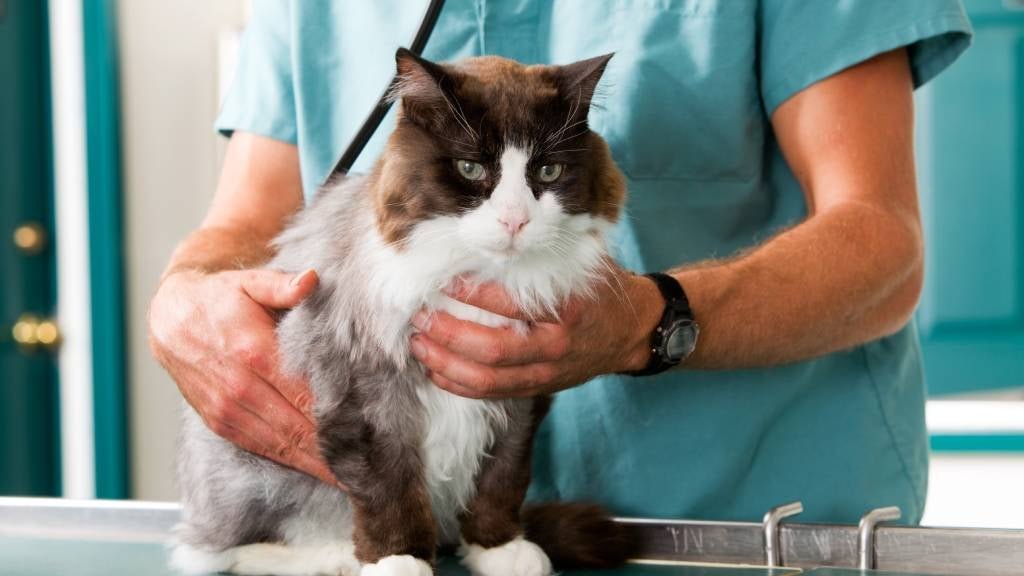
A household lovingly nourishing a cat often worries about its diet, behavior, and general well-being, but there is one oft overlooked aspect of cat care – regular veterinary check-ups. Around 9.6 million household cats in the US do not see a vet annually. It is essential to understand the critical role regular check-ups play in maintaining the long-term health of your pet cat. Regular vet visits can identify potential health concerns early, enabling timely interventions and improving recovery rates.
**Section 2: Action Points for Cat Owners**
Here are some practical steps to start your feline friend on a schedule of regular check-ups:
1. **Annual Check-ups**: Scheduling an annual visit to the vet for a comprehensive wellness exam will help detect abnormalities early. Any signs of weight loss, chronic diseases, parasites, or dental issues can be addressed immediately.
2. **Vaccinations**: Regular vaccinations are key to protecting your cat from harmful diseases. Your vet can guide you on the vaccination timetable.
3. **Preventative Care**: Talk to your vet about preventative care which includes nutrition advice, dental cleanings, and screening for common chronic diseases like diabetes or kidney disease.
**Section 3: Myths and Misconceptions**
Contrary to popular belief, cats do not always land on their feet when it comes to health issues. Waiting for visible signs of discomfort can often lead to late detection of health problems. Regular check-ups are the best way to ensure the early detection of potential health problems. Moreover, even indoor cats need regular vet visits, as they are also prone to health issues like obesity, dental diseases, or cancer.
**Section 4: Health Transformation Stories**
To highlight the importance of regular check-ups, consider Max, a 5-year-old tabby cat. Max’s owner started taking him for annual check-ups when he was two years old. During one of these visits, the vet detected a dental issue early on. Immediate treatment ensured quick recovery and saved Max from potential pain and discomfort.
**Conclusion: Your Cat’s Health Matters**
Caring for your cat goes beyond feeding and adoration. Ensuring regular check-ups will protect them from potential health risks and increase their lifespan. So, next time you marvel at your cat’s agility or snuggle up with them during their nap time, think about their upcoming vet visit as well. Your feline friend deserves a healthy and joyful life; it begins with that vet appointment you’ve been meaning to schedule.
_By prioritising regular vet visits, you can ensure your pet’s well-being and happiness. Lead your fur baby to a vital and active life, starting with regular check-ups._
