

**Introduction**
There is an old joke that says cats have staff – not owners. Let’s be honest, any cat owner can confirm that they have been involuntarily bestowed the title of Executive Assistant to Their Furry Majesty. Amidst all the endless cleaning, feeding, and hedonistic pampering, one thing’s for sure: we love our cats and their quirky habits.
But in between all the warm cuddles and laser dot chases, there can be a few less glamourous tasks that we deal with on behalf of our feline comrades. One that comes to mind is their oral healthcare. Just like us, cats can have sensitive teeth too! And if the thought of brushing your cat’s teeth sends a shiver down your spine, worry not because, in this post, we will explore the best diet for cats with sensitive teeth.
Have you ever thought about how your cat’s diet can affect their dental health? Buckle up, because it’s time to dive deep into the world of feline dental healthcare.
**Main Body**
**Section 1: Understanding Sensitive Teeth in Cats**
Tooth sensitivity in cats is not an uncommon issue. Cats, like us, can suffer from dental sensitivity due to varied reasons like tooth decay, gum disease, tooth resorption, or injury. Picking up on their pain can be difficult. However, one sign might be they’re having troubling eating their regular food. Food plays a vital role in managing this issue. By choosing the right type, you can help protect your cat’s chompers and relieve their discomfort.
**Section 2: Feeding the Right Diet to Cats with Sensitive Teeth**
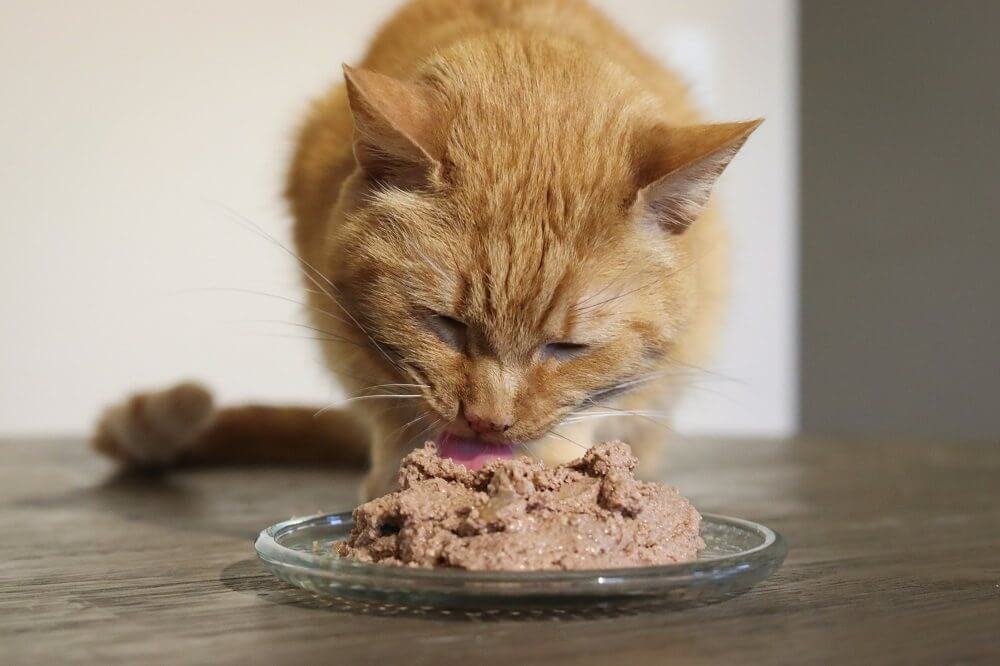
Fret not, cat owners; you can help your feline friend right at home. Start with choosing the right food; wet food can be a good option because it requires less chewing, so it’s easier on sensitive teeth. And no, contrary to the popular belief, dry food is not necessarily better for dental health – let’s burst that bubble here and now. Also, incorporate a diet that’s rich in vitamins and minerals to support overall oral health. Never hurts to check out specially-formulated dental diets. Look for brands with a good protein and low carbohydrate profile, and those high in Omega-3 fats for reduced inflammation.
**Section 3: Debunking Some Myths**
It’s widely believed that dry kibble helps to “clean” the teeth of cats. This is a misconception. Cats’ teeth are designed to tear and swallow, not chew. So, kibble doesn’t provide much dental benefit and can be harder on sensitive teeth. Plus, dry food lacks the moisture cats need for their diets. Don’t fall for the “grain-free is best” trend blindly either. Grains are not inherently bad for cats. The key is to maintain a balanced diet with the proper nutrients.
**Section 4: Stories from Real Cat Owners**
To back up these points, we have some real-life experiences to share. Mike, a fellow cat parent, noticed his cat Bella wincing while eating her usual dry food. She spent less time at the food dish and started losing weight. On consulting with a vet, Mike found that Bella had sensitive teeth. Switching to a moist, high-quality protein diet made mealtime more pleasant for Bella. She was able to maintain her weight and overall health better.
**Conclusion**
Caring for a cat with sensitive teeth involves understanding their dental health, choosing the right diet, and debunking prevalent myths—the crucial step being to adjust their diet according to their specific needs and vet’s advice.
Taking action today could mean happier meal times for your purring companion. And remember, as the high-ranking staff in their furry empire, it’s our job to keep them in the pink of health. Let’s get started on that task right meow!
**SEO Considerations**
Get more insights on cat health and diets on our blog posts such as “The Truth about Grain-Free Diets for cats” and “Importance of Hydration in Cats.” For more information, look up leading research on feline dental health from reputable animal health organizations.
